
Training
TRAINING ON LEGISLATIVE DRAFTING CONDUCTED
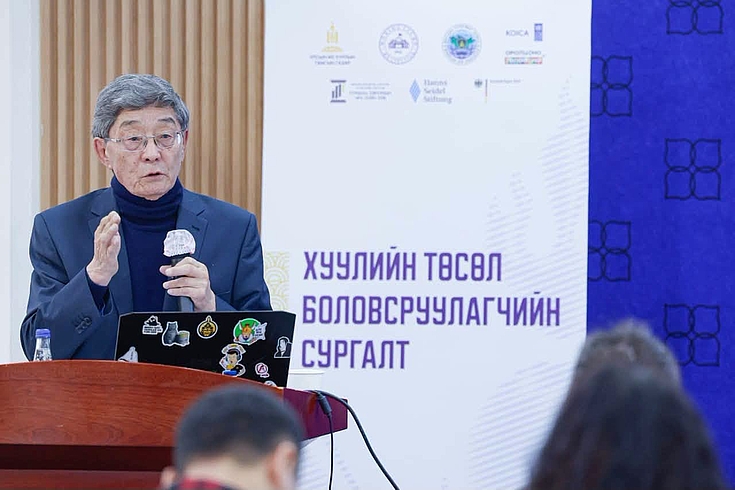
The objective of the training was to deepen the participants' foundational knowledge of legislative technique, equip them with methodologies for drafting bills, and strengthen their professional competencies.
A broad spectrum of topics was covered during the training. These included the duties and requirements of legislative drafters, substantive and technical legal requirements for laws, the application of Design Thinking in the legislative process, parliamentary rules of procedure, legal reception, and the requirements for restricting fundamental rights.
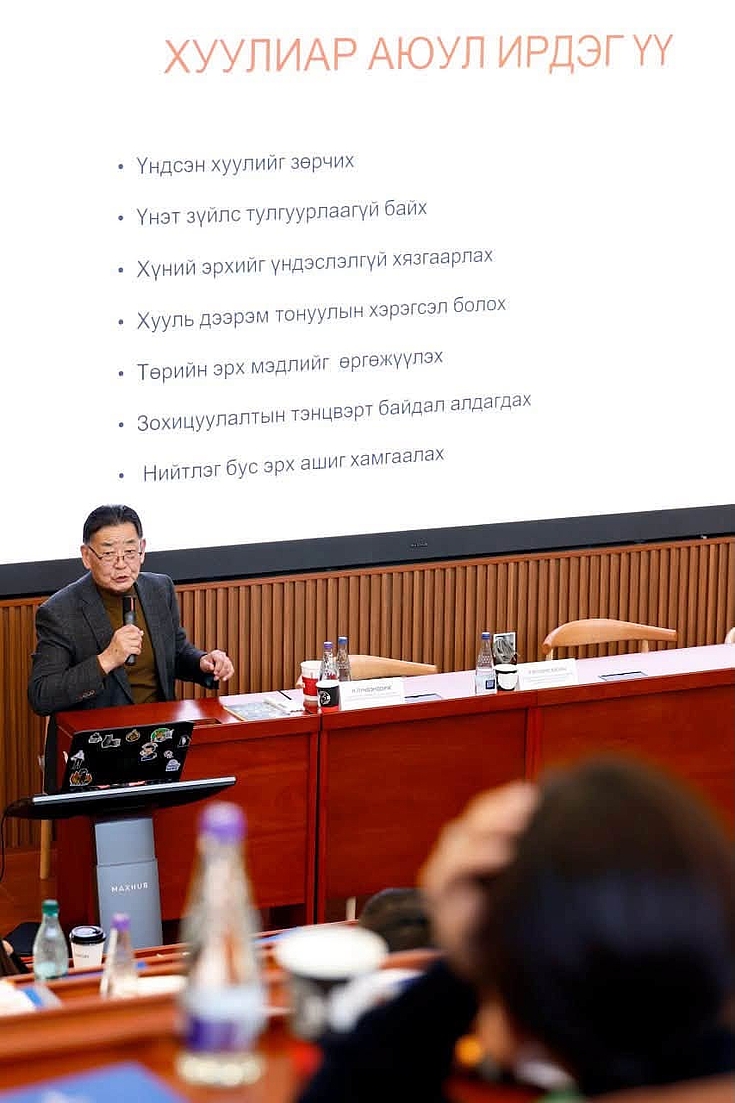
Furthermore, theoretical and practical knowledge was provided on the methodology of preliminary analysis of the need for legislative action, cost estimation for the implementation of laws, regulatory impact assessment of draft laws, and ex-post impact assessment of law implementation.
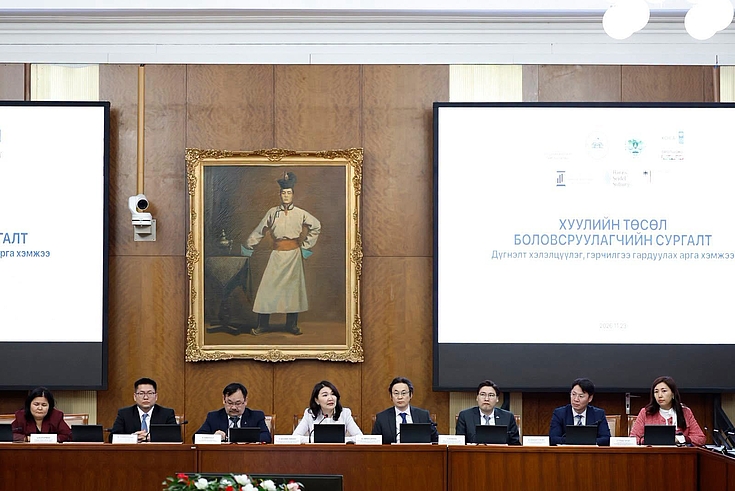
Renowned figures from legal academia, experienced university lecturers, members of the Constitutional Court, and distinguished experts from parliamentary practice were recruited as speakers. They shared their extensive expertise and many years of professional experience with the participants, combining theoretical foundations with practice-oriented exercises.
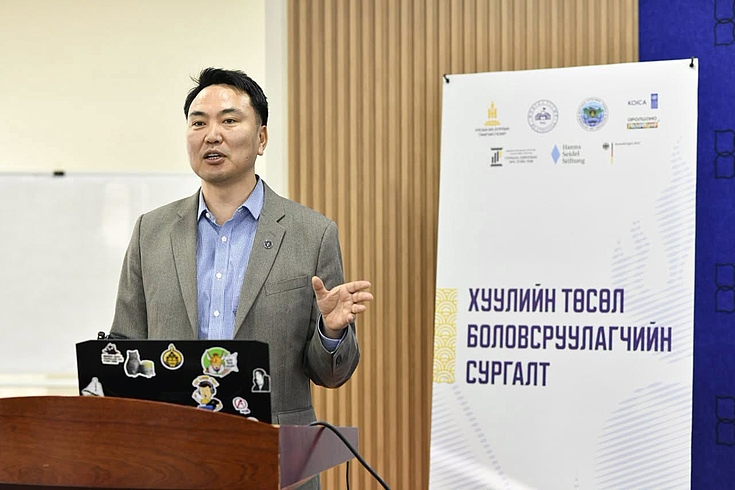
The participants demonstrated great interest and commitment. Through their active participation, professional exchange with the speakers, and lively discussions, they contributed significantly to the success of the training.
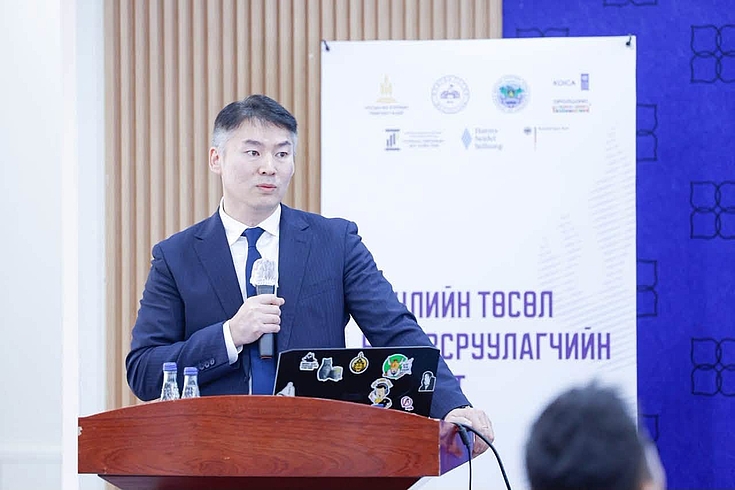
The first training session took place at the School of Law of the National University of Mongolia. During the closing ceremony at the State Palace, participants were presented with their certificates. At the ceremony, participants emphasized that they had gained numerous new insights and acquired valuable methodological skills. They spoke particularly positively about the training content, the professional competence of the speakers, and the practical value of the acquired knowledge for their professional work.

The training sessions made a valuable contribution to promoting scientifically sound and evidence-based legislation, improving the quality of draft laws, and strengthening professional competencies within the parliamentary sector.
Our heartfelt thanks go to all the speakers, the dedicated participants, and all partner organizations for their successful cooperation.