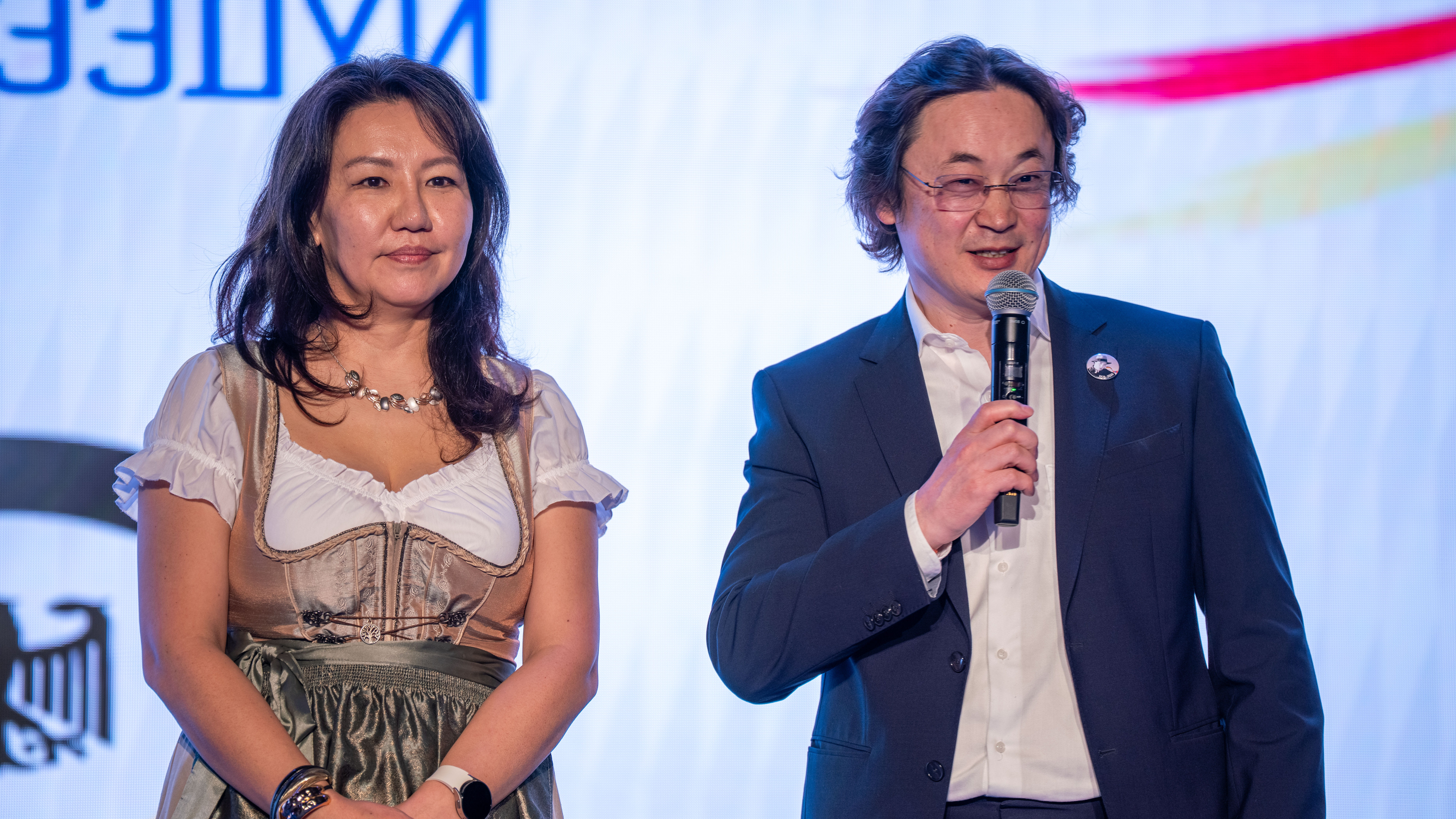
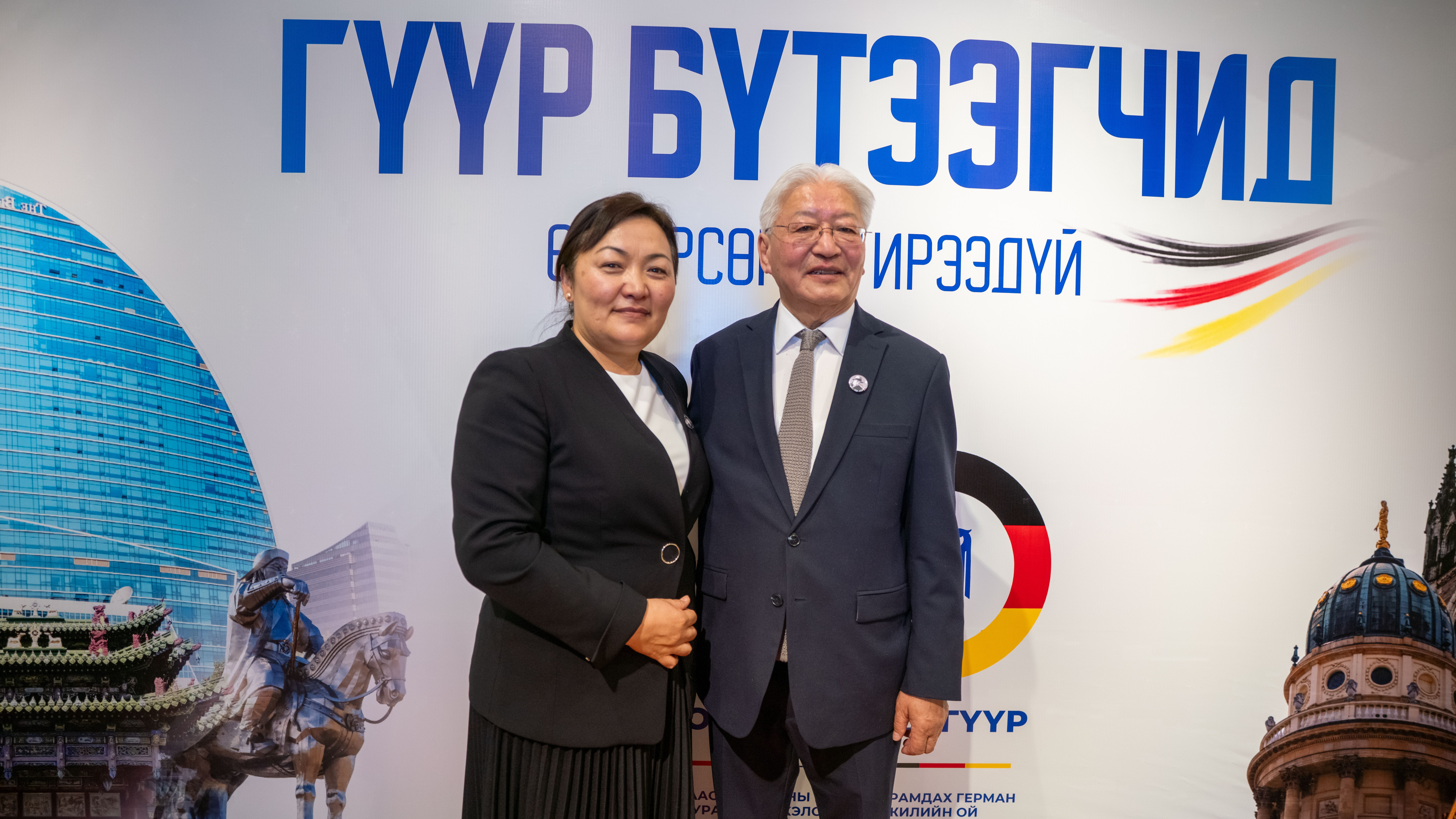
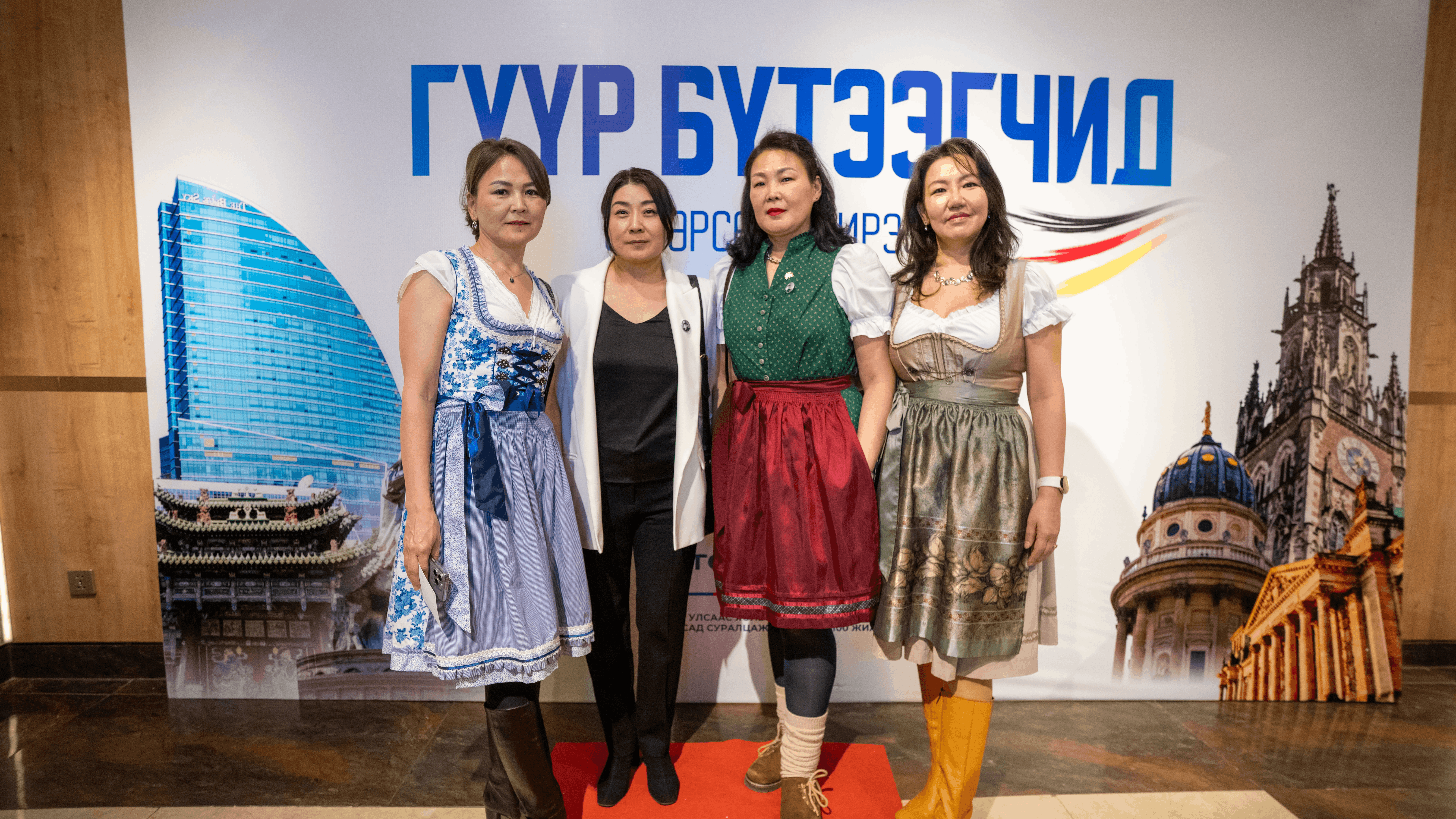
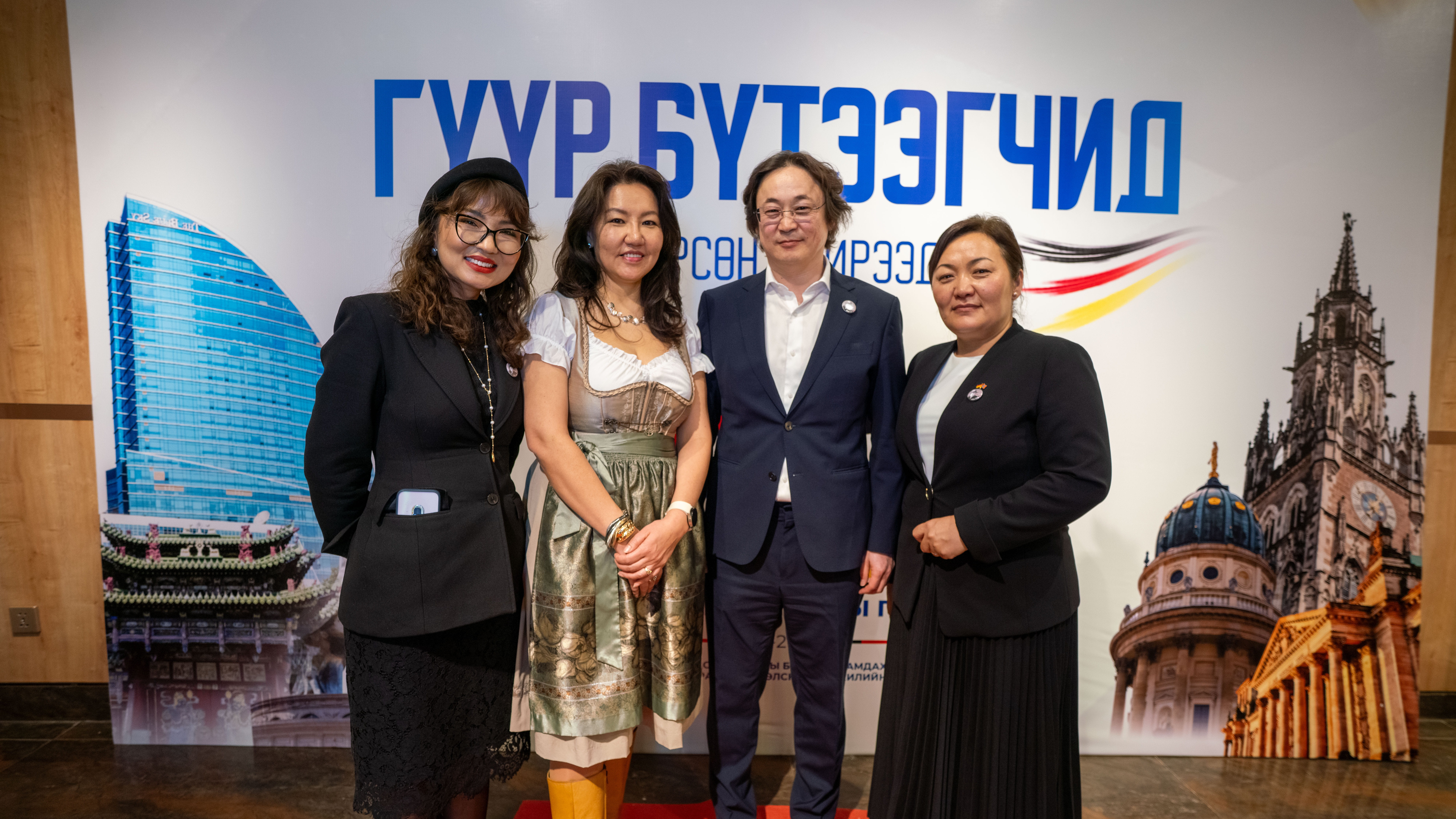
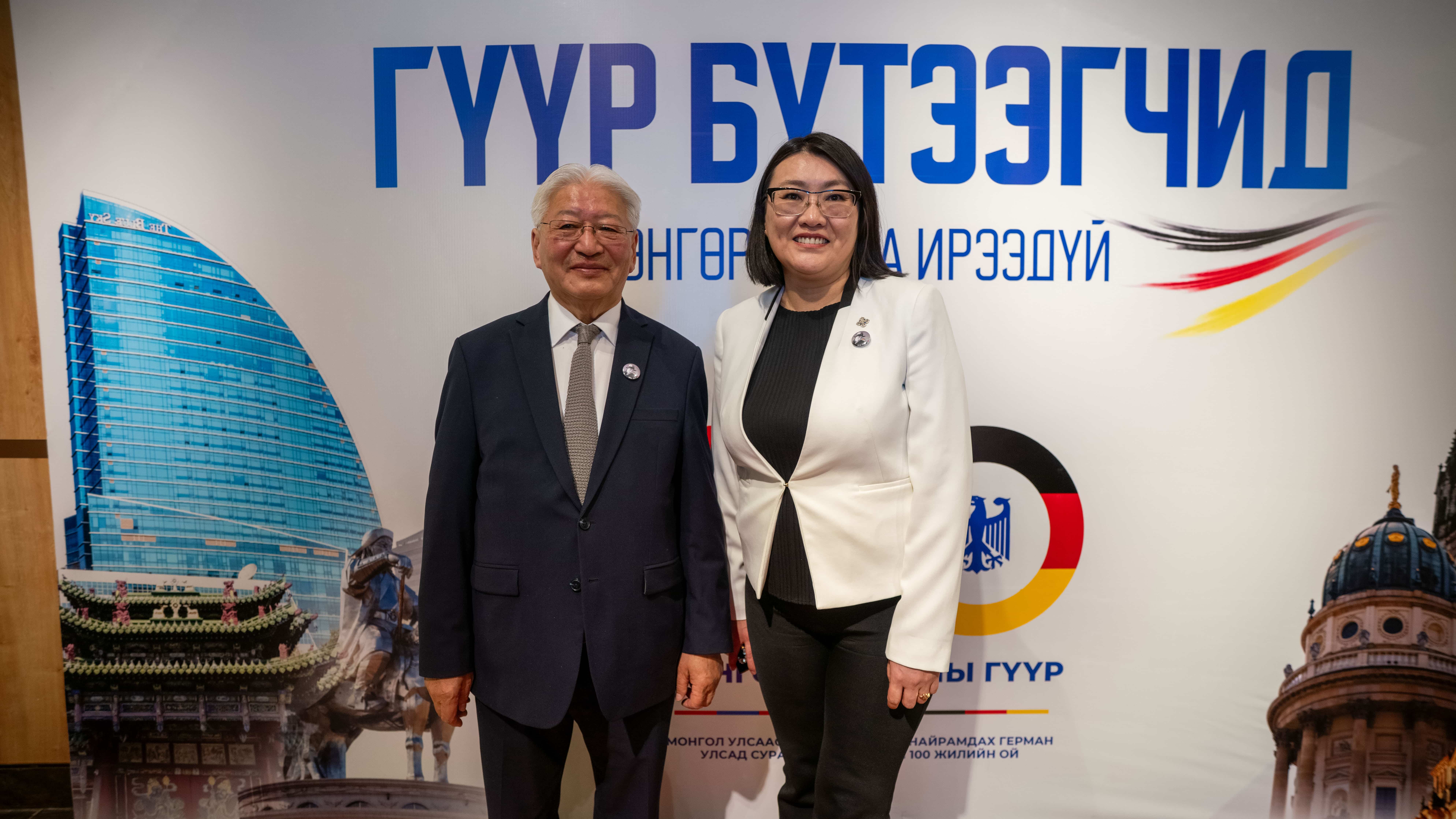
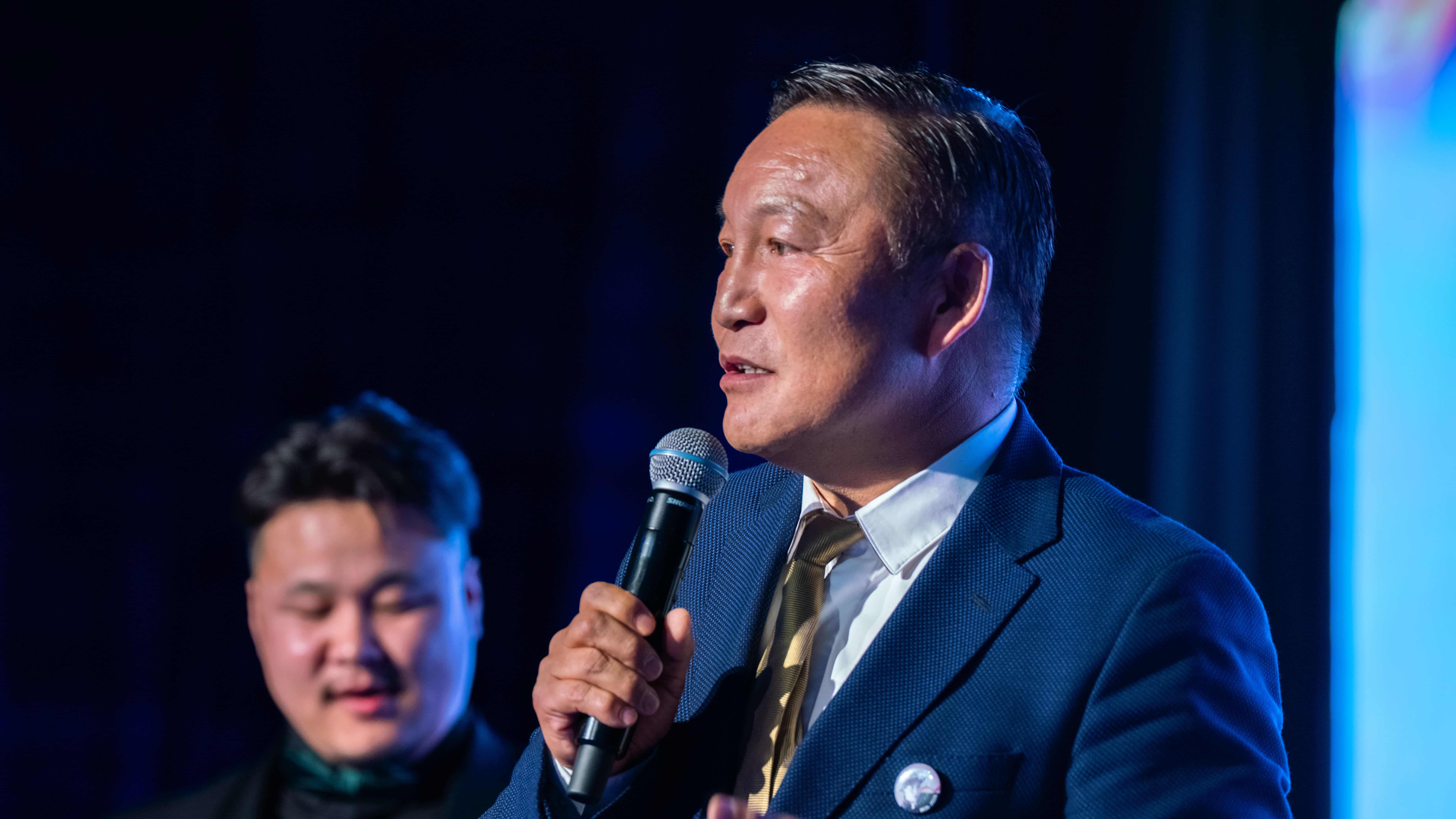
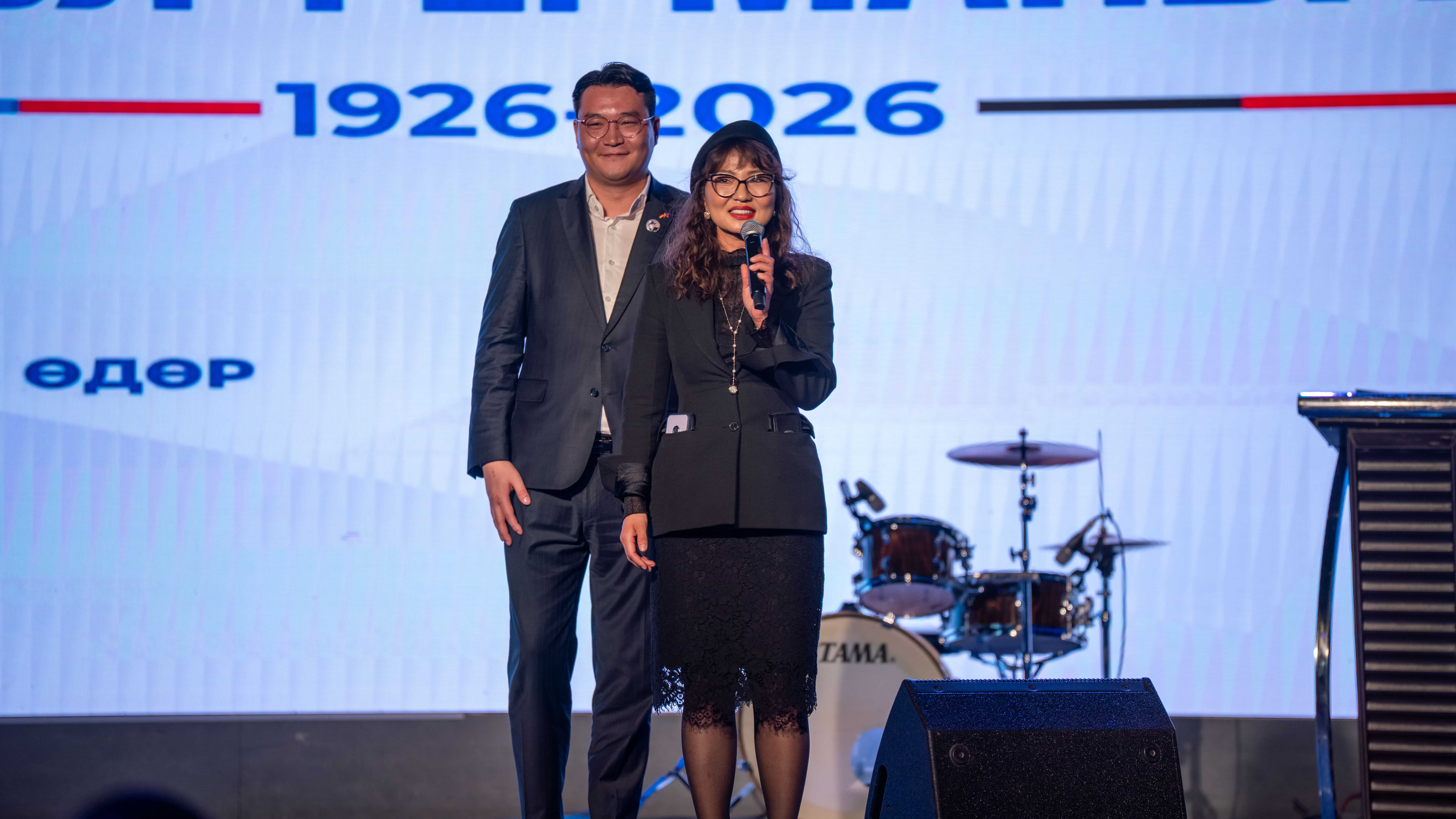
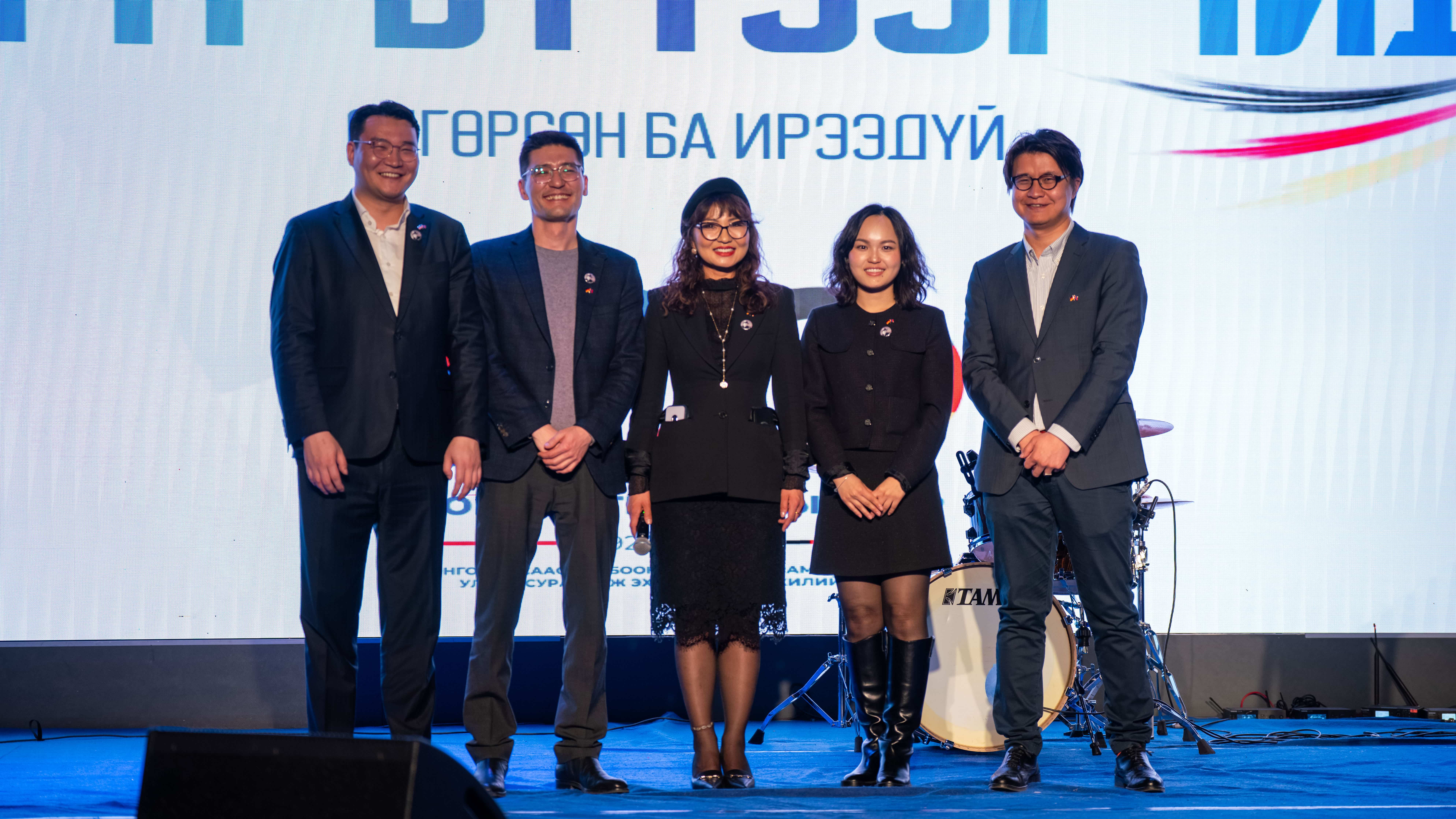
The event brought together Mongolian alumni of German universities, as well as representatives from government institutions, universities, research organizations, the private sector, international organizations, and young scholars. High-level guests, including a Member of Parliament, the Minister of Education, and alumni of the Hanns Seidel Foundation, also attended, highlighting the importance of the event.
The year 1926 marked a turning point in Mongolia’s modern intellectual history, when the first students were sent to Germany. This initiative was not only an educational decision but also a strategic choice shaping the country’s long-term development.
At the time, Germany was a global leader in engineering, medicine, natural sciences, and technology. Mongolian students gained not only professional knowledge but also modern institutional culture, research methodologies, and governance values, which they brought back to Mongolia.
Among the first students was the prominent writer Dashdorjiin Natsagdorj, whose works reflect strong European influence, demonstrating that this cooperation contributed not only to professional education but also to cultural and intellectual transformation.
Throughout the 20th century, educational cooperation continued despite political and social changes. Many Mongolian professionals educated in Germany contributed significantly to the development of infrastructure, industry, healthcare, and education.
Since the 1990s, graduates educated in Germany have played an important role in Mongolia’s democratic transition, legal reforms, and the development of public institutions, civil society, and the private sector. The cooperation has further expanded into research, innovation, sustainable development, and digital transformation.
Over the past century, this partnership can be characterized by three key dimensions:
• long-term investment in human capital
• cultural and values exchange
• strengthening of institutional capacity
Today, Mongolian graduates of German universities continue to serve as a living bridge between the two countries, contributing significantly to Mongolia’s development.