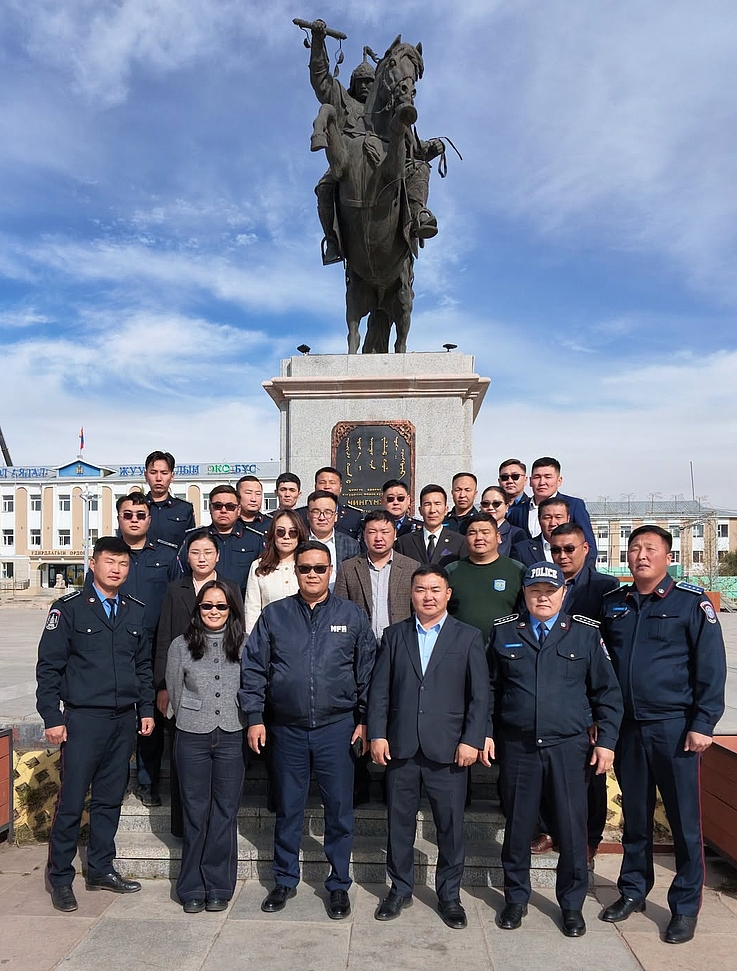
Capacity building training
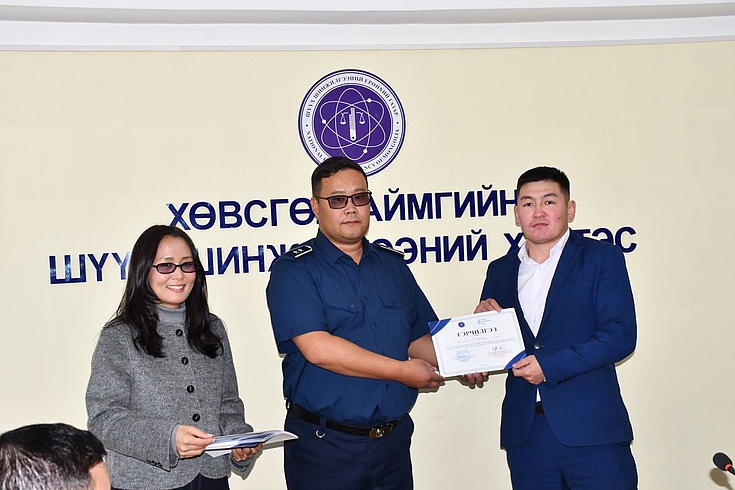
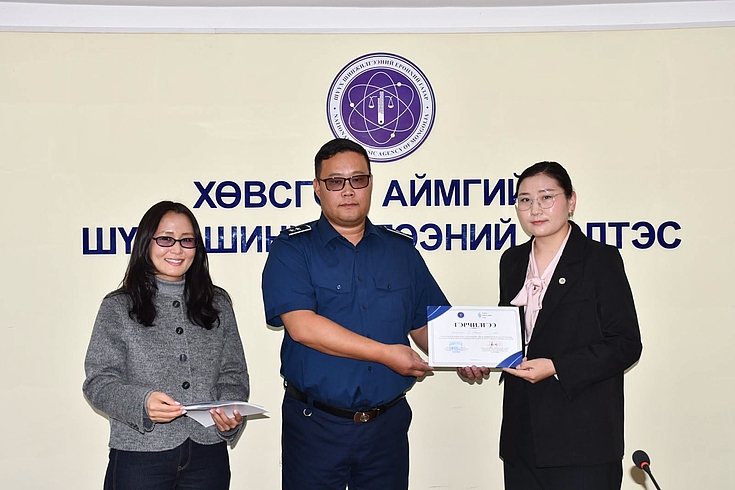
Combating Environmental Crime with Science: Capacity Building Training Successfully Held in Khuvsgul Province
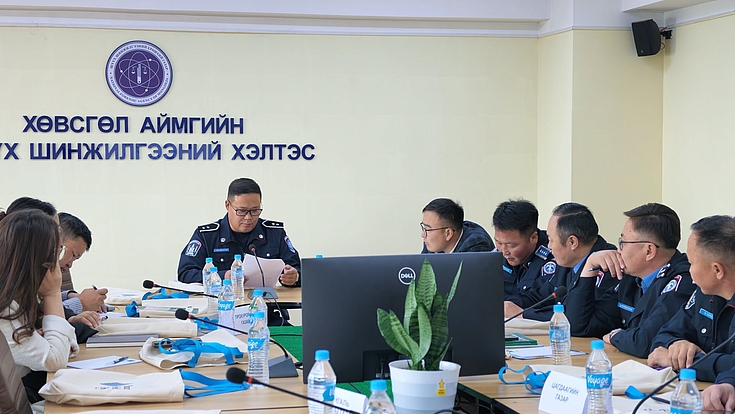
The training was led by Dr. S. Dorjderem (Ph.D.) and Dr. T. Shinekhuu (Ph.D.). They enhanced the participants' knowledge and technical skills using real-world case studies tailored specifically to the unique ecosystem, flora, and fauna of the Khuvsgul region.
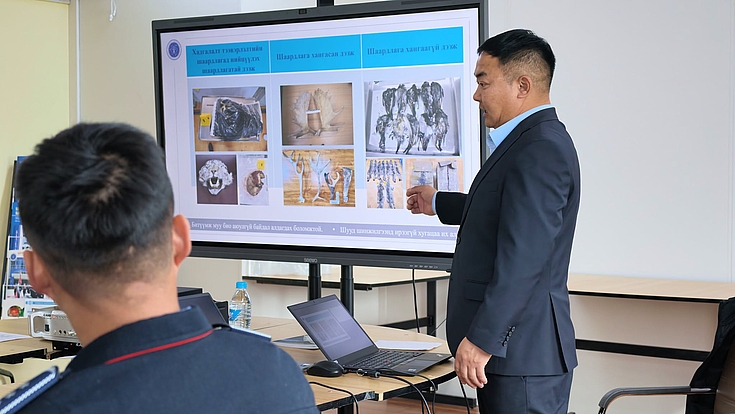
Key focal areas highlighted during the sessions:
- Proper techniques for collecting, securing, and legally submitting animal, timber, and plant samples for forensic examination.
- Standard requirements for packaging, sealing, labeling, storing, and transporting evidence.
- Methodologies for conducting environmental crime-scene inspections, including taking measurements, geo-location mapping, and photographic documentation.
- Assessing environmental and eco-economic damage, and formulating precise, effective questions for forensic analysts.
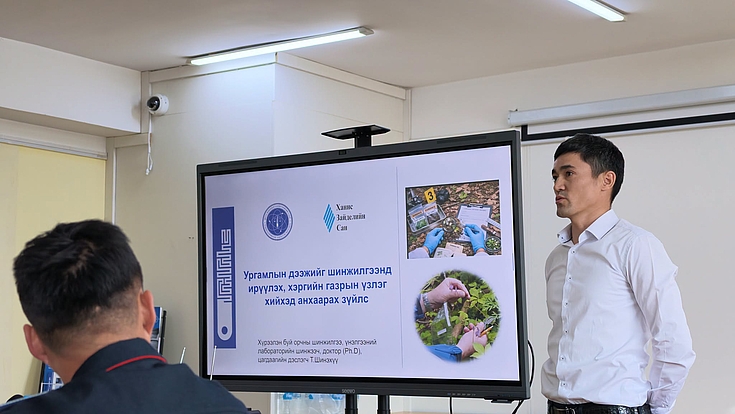
Because improper collection, storage, and transportation of samples directly jeopardize the final outcome of forensic analysis, the workshop strictly emphasized meticulous coordination and thorough documentation at every phase of evidence handling.
Additionally, the leading scientists highlighted the critical importance of collecting reference specimens and field objects during these initiatives to expand and enrich the national forensic database for high-precision comparative analysis.
Advanced professional expertise, high-quality evidence preservation, and scientifically grounded conclusions remain paramount to effectively resolving environmental crimes and upholding ecological justice.