
Scholarship
Researcher completes research stay on juvenile justice in Bavaria
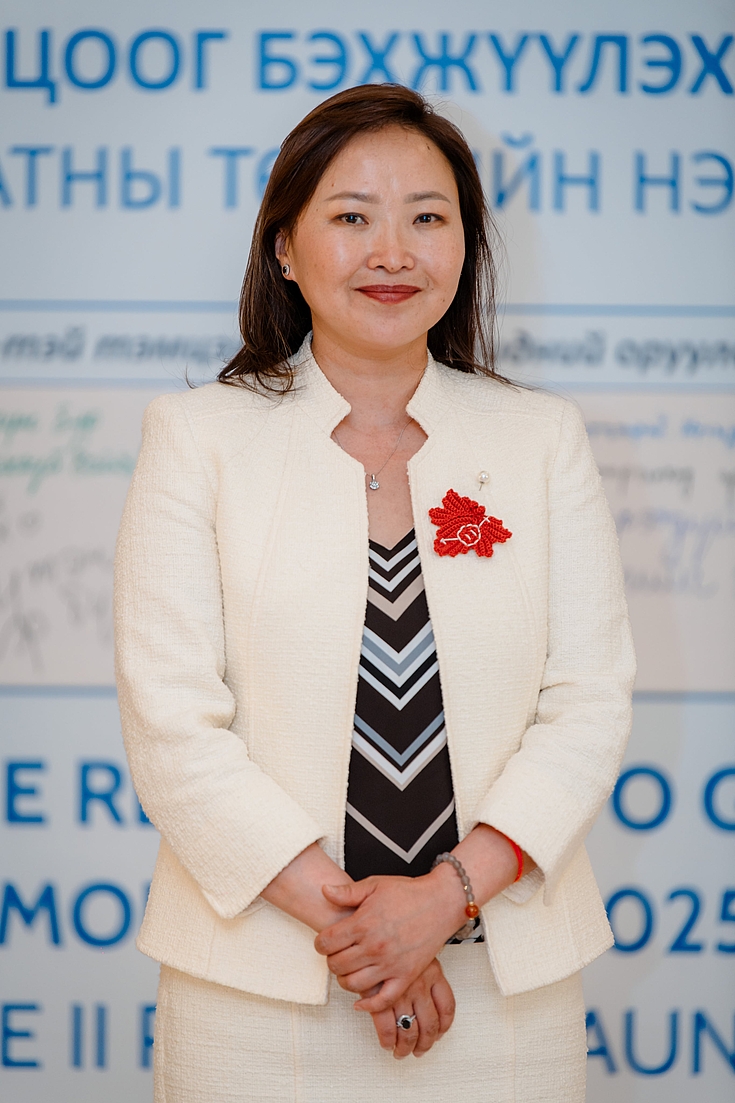
A System Built on Science and Developmental Psychology
During her stay, Ms Norov conducted interviews and institutional visits to Bavarian juvenile courts, public prosecutors, probation officers, social services, and youth welfare institutions. Her research centered on how Germany integrates criminology, developmental psychology, and social pedagogy into judicial practice under the Jugendgerichtsgesetz (JGG).
One youth judge summarized a guiding principle of the system:
“It is normal for young people to make mistakes. Our task is to understand their development and guide them back into society.”
German juvenile justice prioritizes education, prevention, and reintegration rather than punitive responses. Individual assessments of cognitive maturity, emotional development, and social environment shape judicial decisions — an approach strongly supported by scientific evidence.
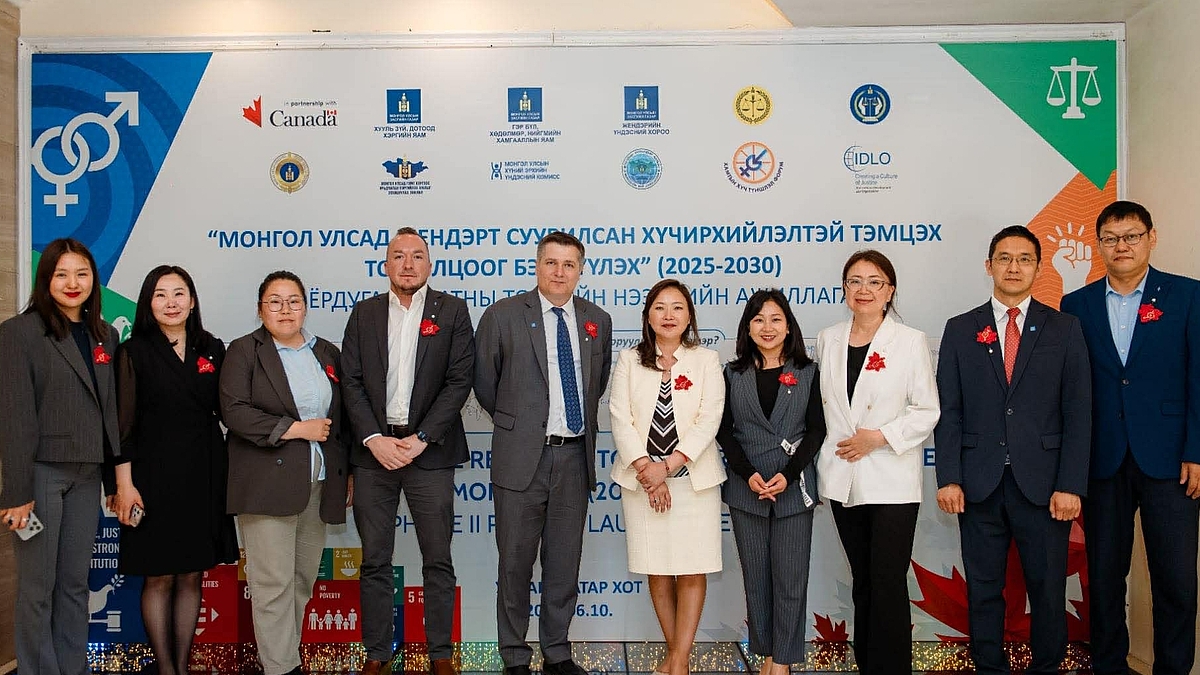
Next Steps
In early 2026, Ms Norov will organize consultations with key Mongolian institutions to share her findings and support the development of child-friendly, developmentally informed judicial procedures. Her research will also be published through ZDER’s Continental Law magazine, contributing to Mongolia’s growing academic and professional dialogue on evidence-based justice.
Relevance for Mongolia’s New Family and Youth Court
Mongolia is preparing the launch of its Specialized Family and Youth Court in 2026. The Ministry of Justice and Home Affairs has submitted the draft Procedural Code to the Parliament in November 2025, an effort supported by HSF, IDLO, and national institutions.
Ms Norov’s research offers timely and practical insights for this reform. Her forthcoming policy paper will present comparative findings from Bavaria, including:
- child-centred judicial procedures
- psychological and social evaluations as part of court practice
- diversion and restorative justice mechanisms
- cooperation between police, prosecutors, youth services and schools
- rehabilitation and reintegration programs for young offenders
These recommendations will be presented to the Ministry of Justice and Home Affairs, the Supreme Court, the General Prosecutor’s Office, the Judicial Academy, and civil-society partners.
Strong Institutional Exchange Between Bavaria and Mongolia
The research stay was part of the broader scholarship program funded by the Bavarian State Chancellery and implemented by HSF Mongolia together with the Centre for German and European Law (ZDER). The program supports young researchers and professionals through:
- short research placements in Bavaria,
- German language training (A1–B2), and
- joint seminars, publications, and academic cooperation.
“Odontuya Norov’s research demonstrates how comparative legal study can directly strengthen Mongolia’s juvenile justice reform,” said Felix J. Glenk, Resident Representative of HSF Mongolia. “Her work brings scientific thinking and international best practices into Mongolia’s discussions on juvenile protection and rehabilitation.”