Discussion
Discussion on “Criminal Case Proceedings Involving Juveniles” Held
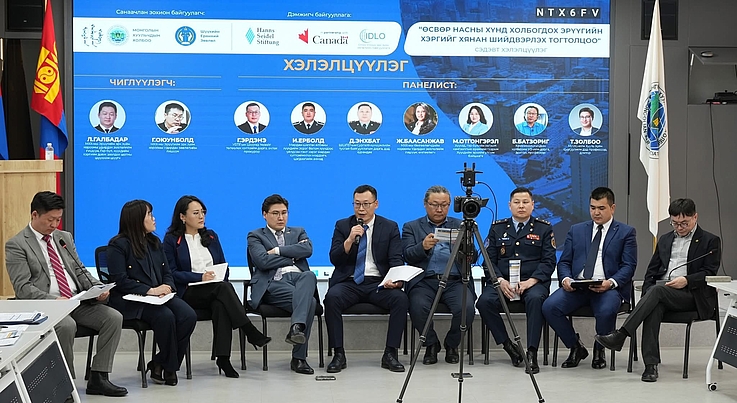
The discussion was organized in connection with the establishment of the specialized Family and Juvenile Court in Mongolia. It brought together researchers from Japan, Germany, and Canada, as well as representatives from the Supreme Court, the Office of the Prosecutor General, the National Human Rights Commission, the General Police Department, the General Authority for Court Decision Enforcement, and the General Authority for Child and Family Development, along with legal professionals and scholars. Participants discussed ways to improve criminal proceedings involving juveniles, strengthen the protection of children’s rights, establish an independent judicial structure, and enhance the professional capacity of legal practitioners.
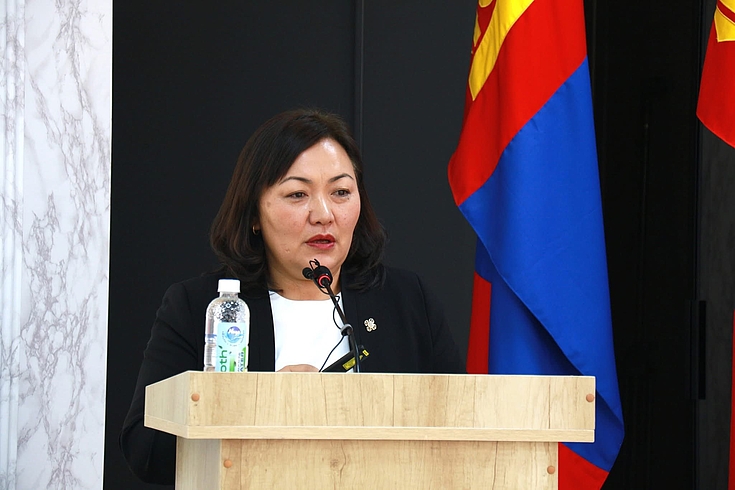
The keynote speaker, Julia Schacherbauer, a juvenile prosecutor from the Prosecutor’s Office in Passau, Germany, was invited to share Germany’s experience and practices, including how prosecutorial and judicial oversight is conducted in cases involving juvenile offenders.
The discussion emphasized that proceedings involving juveniles should not only focus on accountability but also take into account the child’s age, psychological characteristics, social environment, and need for reintegration. It also highlighted the importance of protecting children’s rights and developing child-friendly procedures and approaches at both pre-trial and trial stages.

Statistics presented during the discussion showed that between 2023 and 2025, a total of 2,753 cases involving juveniles were investigated in Mongolia, with 3,660 children involved. Of these, 1,886 were aged 14–16 and 1,774 were aged 16–18. These figures indicate that juvenile crime remains consistent, underscoring the need to review current policies and practices.

The discussion concluded with recommendations to develop detailed standards tailored to juveniles, strengthen child rights protections in criminal proceedings, establish inter-agency cooperation mechanisms, develop unified information systems, prioritize rehabilitation and reintegration, and enhance the professional training of judges, prosecutors, lawyers, and investigators, as well as ensure the involvement of psychologists and social workers. These recommendations will be compiled and submitted to lawmakers.
The organizers expressed their gratitude to all partner organizations and participants for their valuable contributions.