
Discussion
Public Consultation on Revised Methodologies for Legislative Drafting
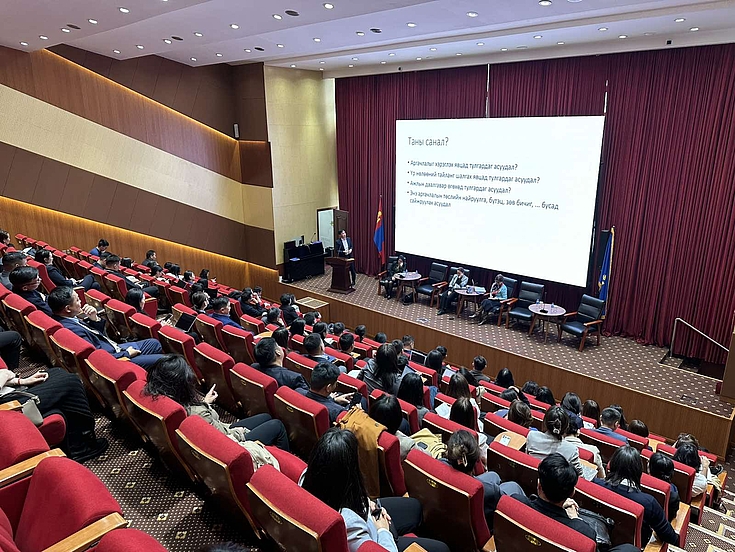
The proposed methodologies cover several key stages of the legislative process, including the assessment of the necessity and justification for legal regulation, the drafting of legislation, the evaluation of potential impacts, the calculation of implementation costs, and the assessment of the outcomes and effectiveness of enacted laws. These instruments aim to enhance the quality, consistency, and evidence-based nature of legislative decision-making.
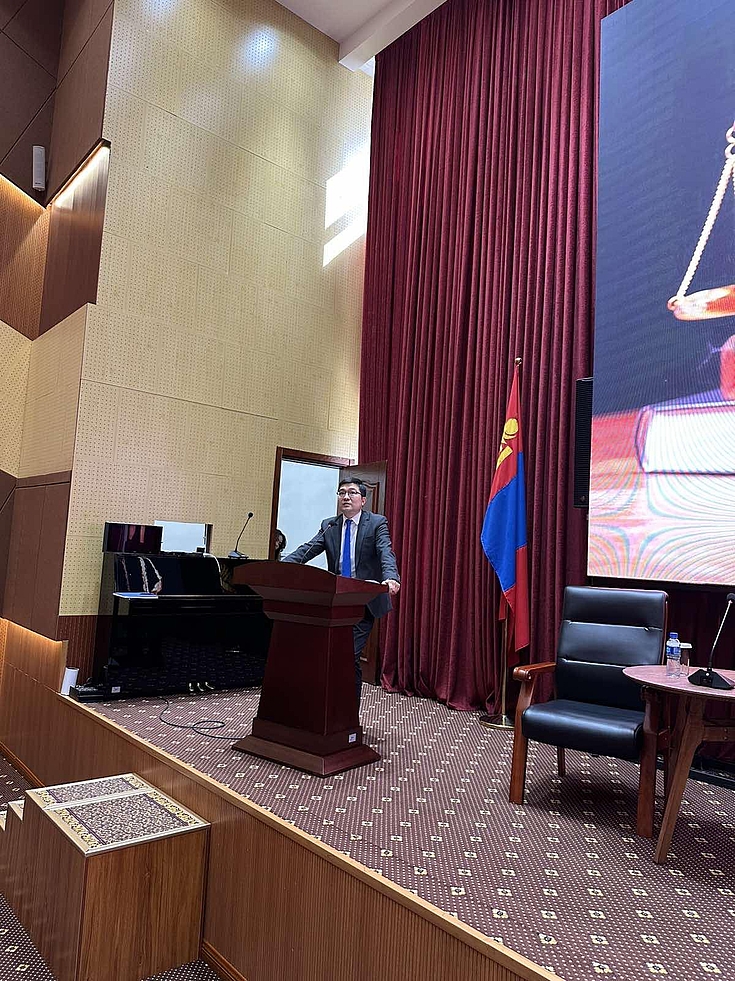
The event was organized in cooperation with the Hanns Seidel Foundation Mongolia. Participants included representatives of government institutions, the Cabinet Secretariat, the Secretariat of the State Great Khural (Parliament), various ministries, professional associations, civil society organizations, and academic and research institutions. Legal practitioners, scholars, and researchers also actively contributed to the discussions.
The consultation provided an opportunity to examine practical challenges related to the implementation of the proposed methodologies and to gather feedback from a broad range of stakeholders. Participants offered numerous recommendations for improving the draft methodologies, with particular emphasis on strengthening regulatory impact assessments, increasing transparency in the legislative process, and ensuring meaningful stakeholder participation.
The comments, recommendations, and proposals collected during the discussion will now be reviewed and incorporated into the further refinement of the methodologies. The consultation therefore represents an important step toward promoting a more transparent, effective, and evidence-based legislative process in Mongolia.