Further education
Discovering and Securing Evidence at the Crime Scene

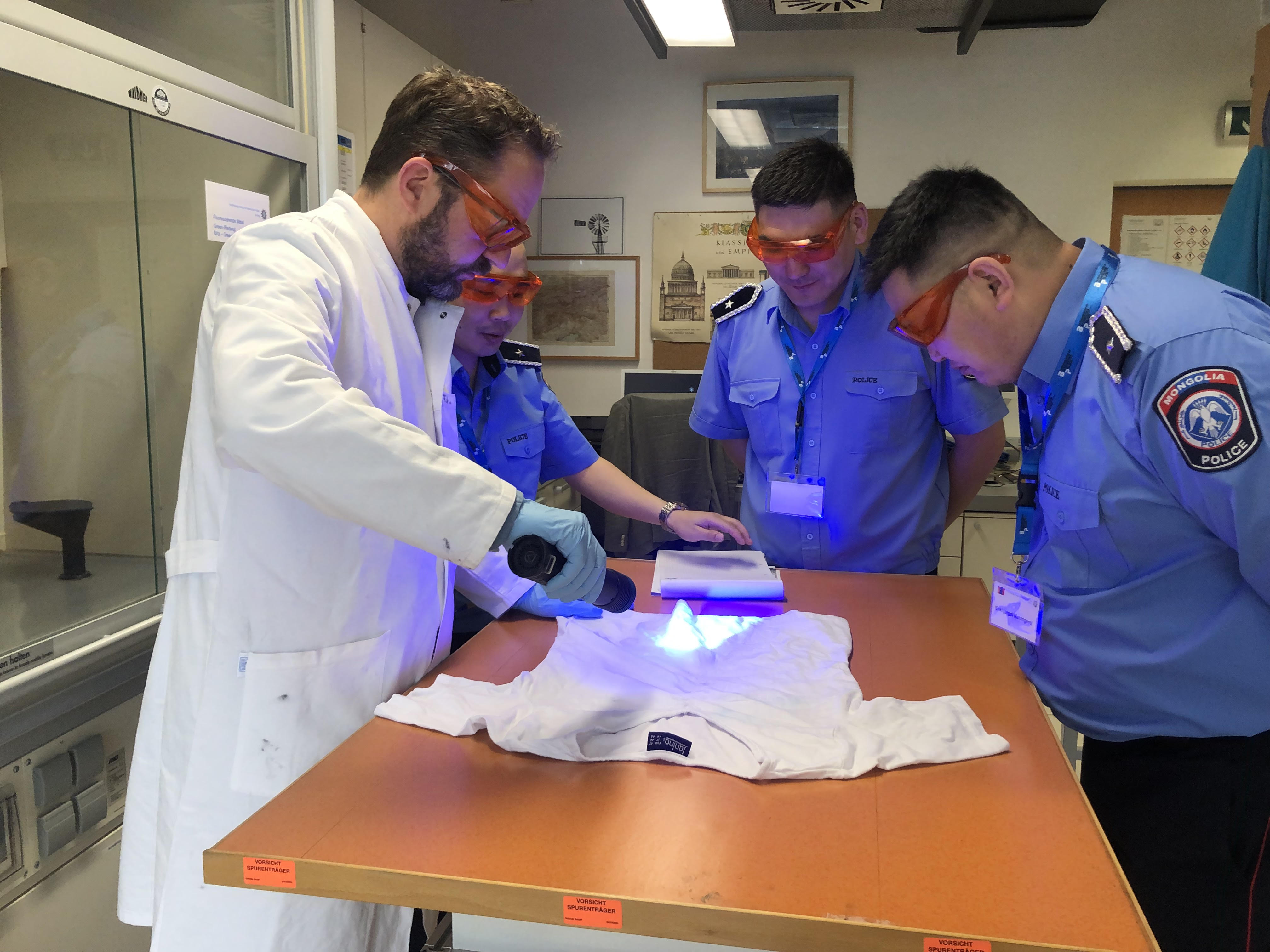
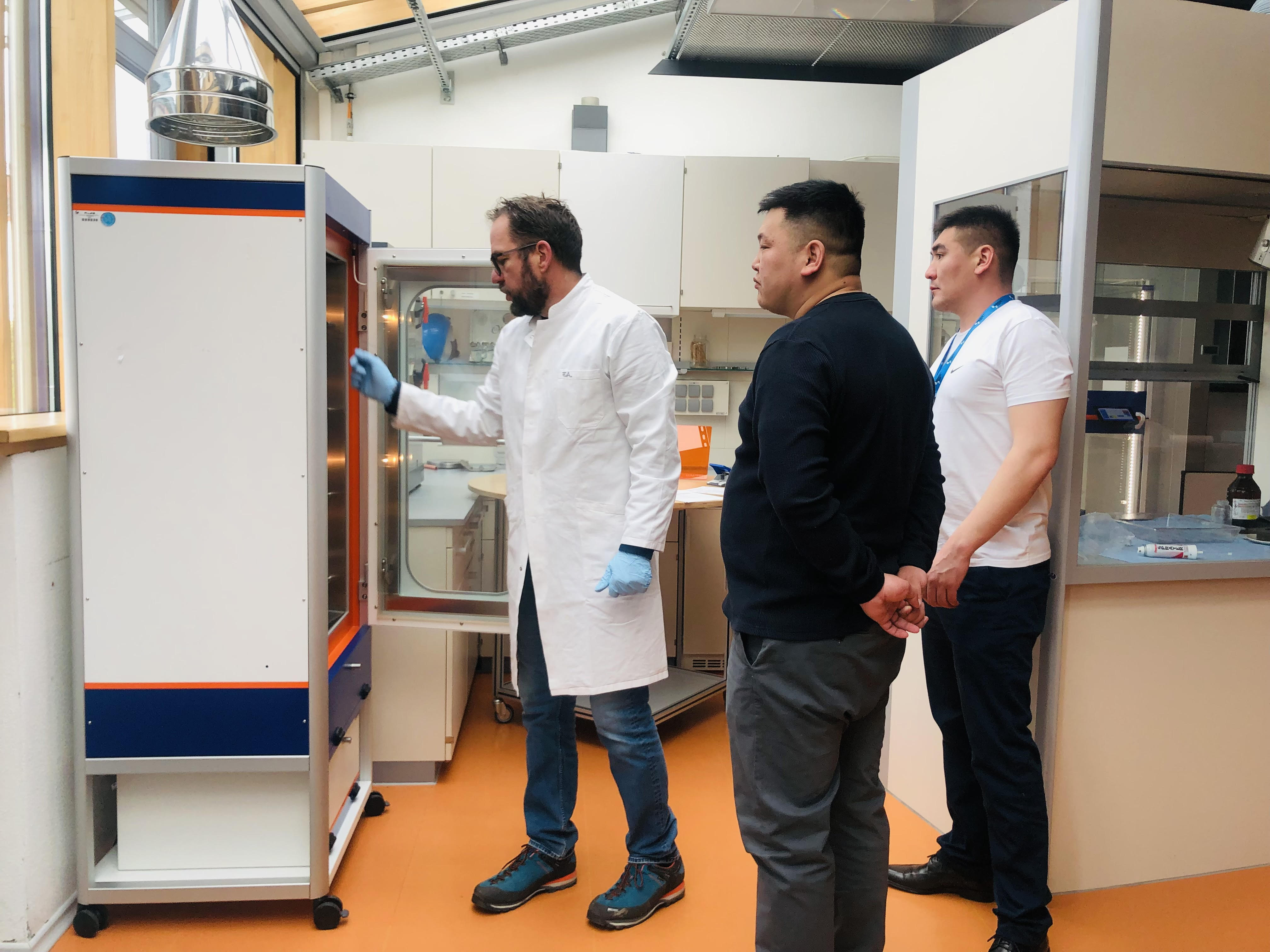
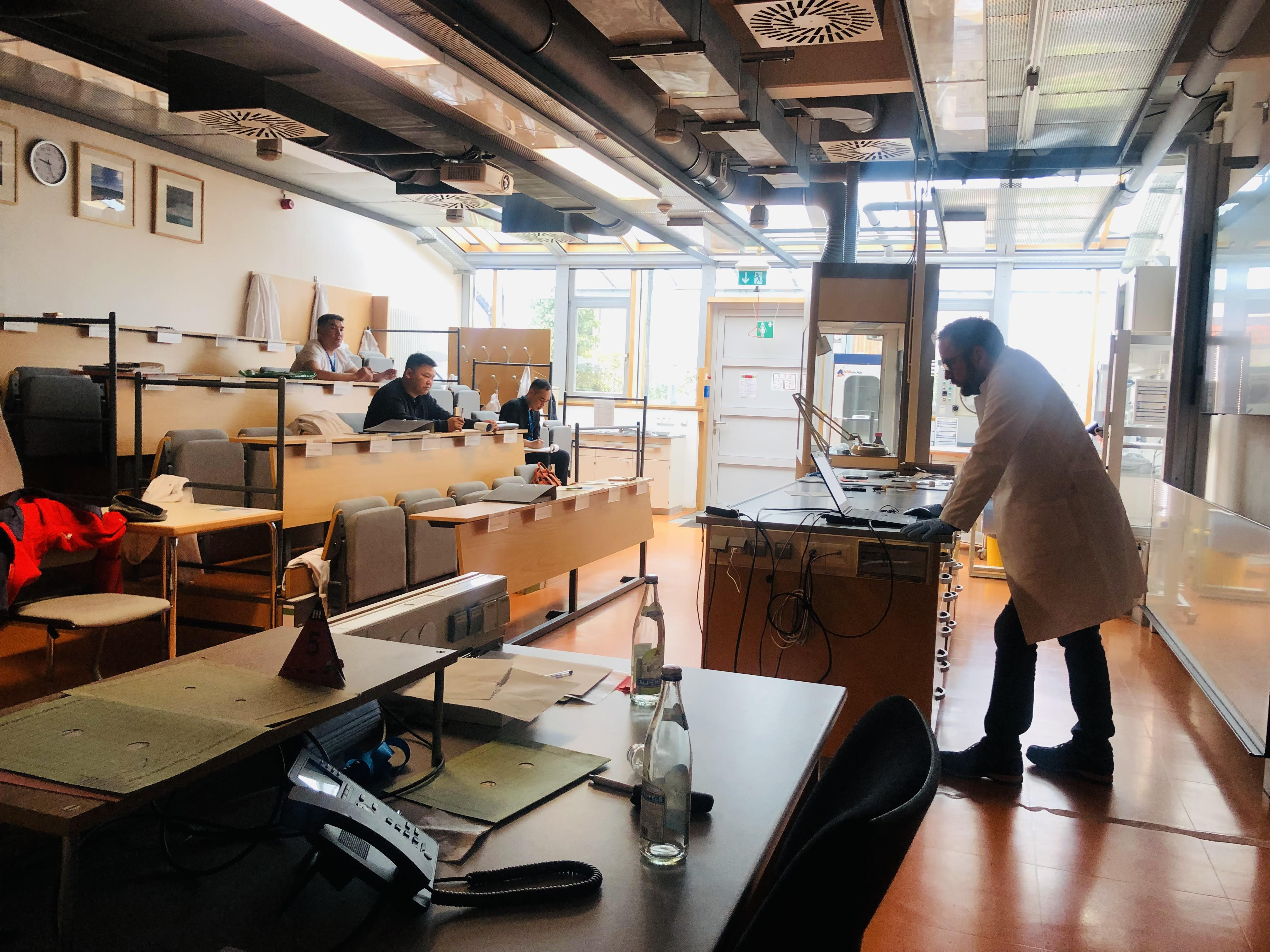
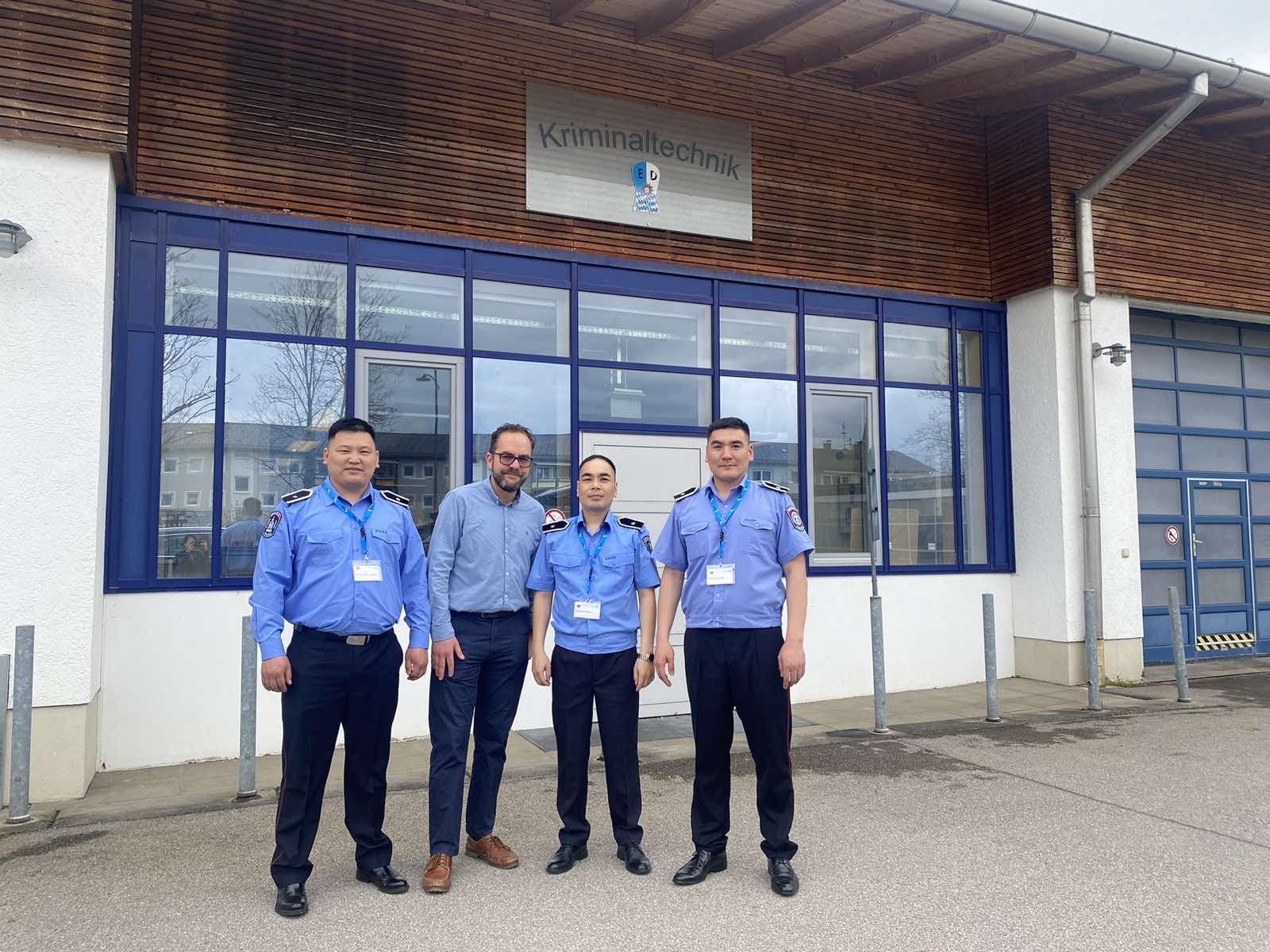
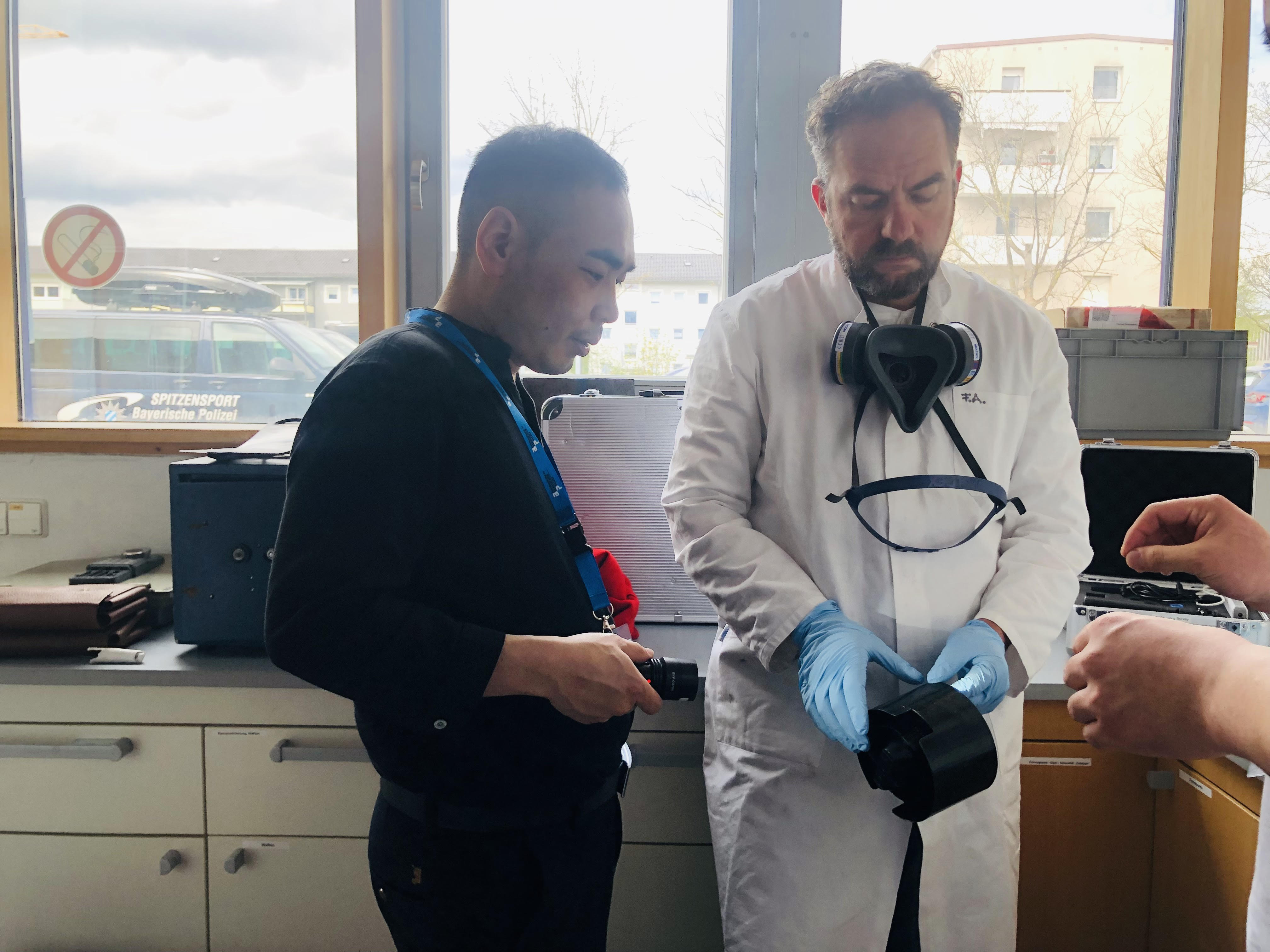
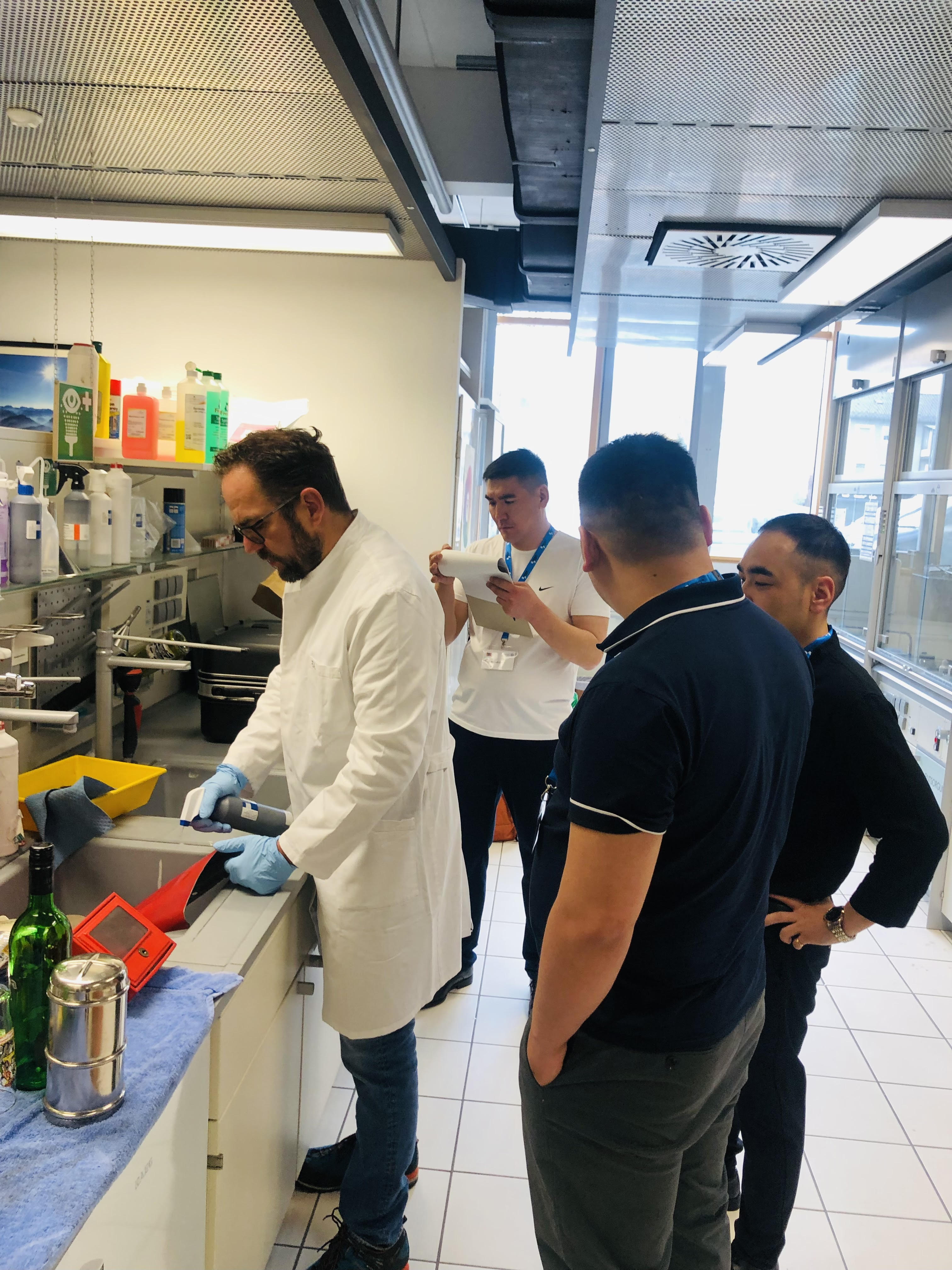
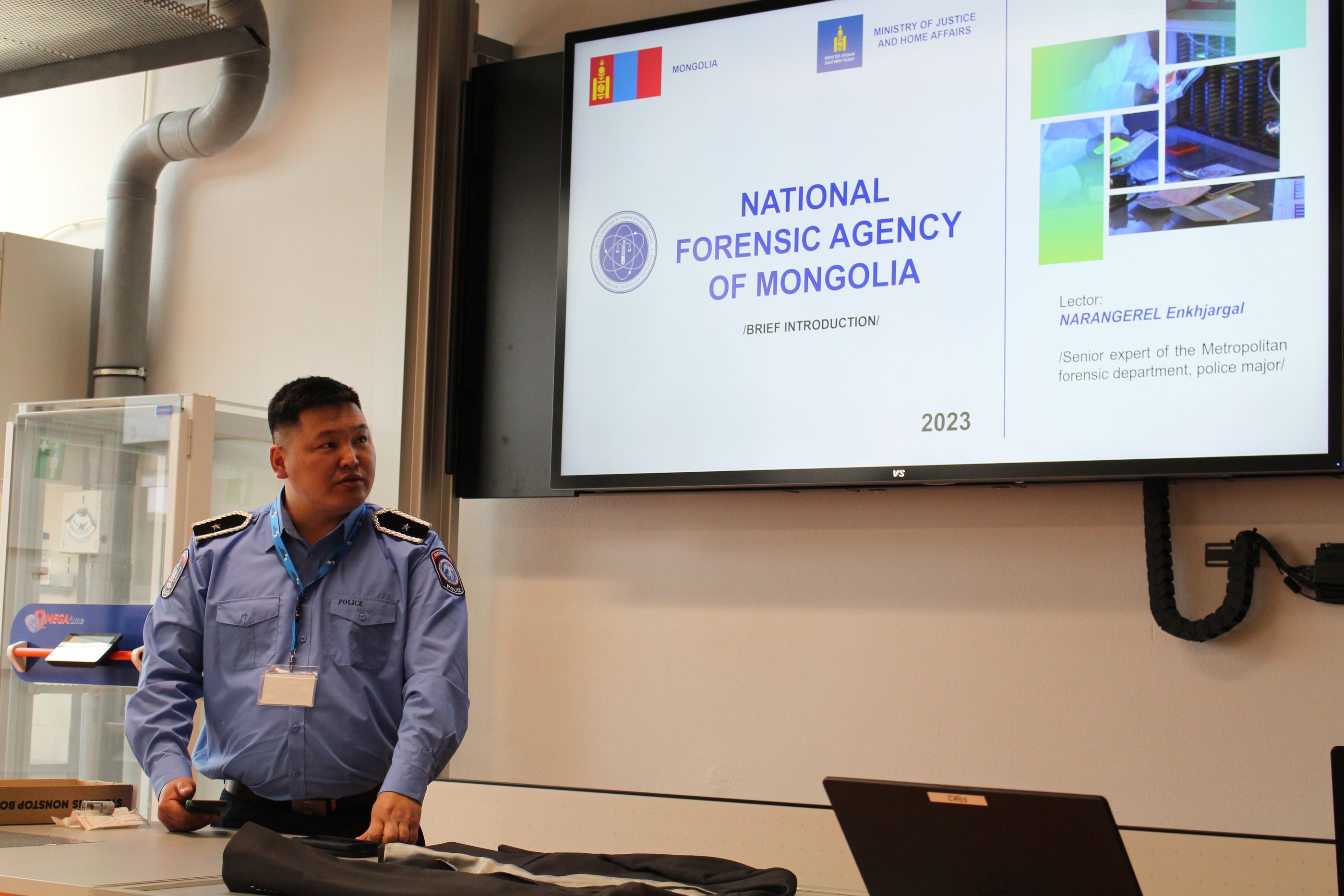
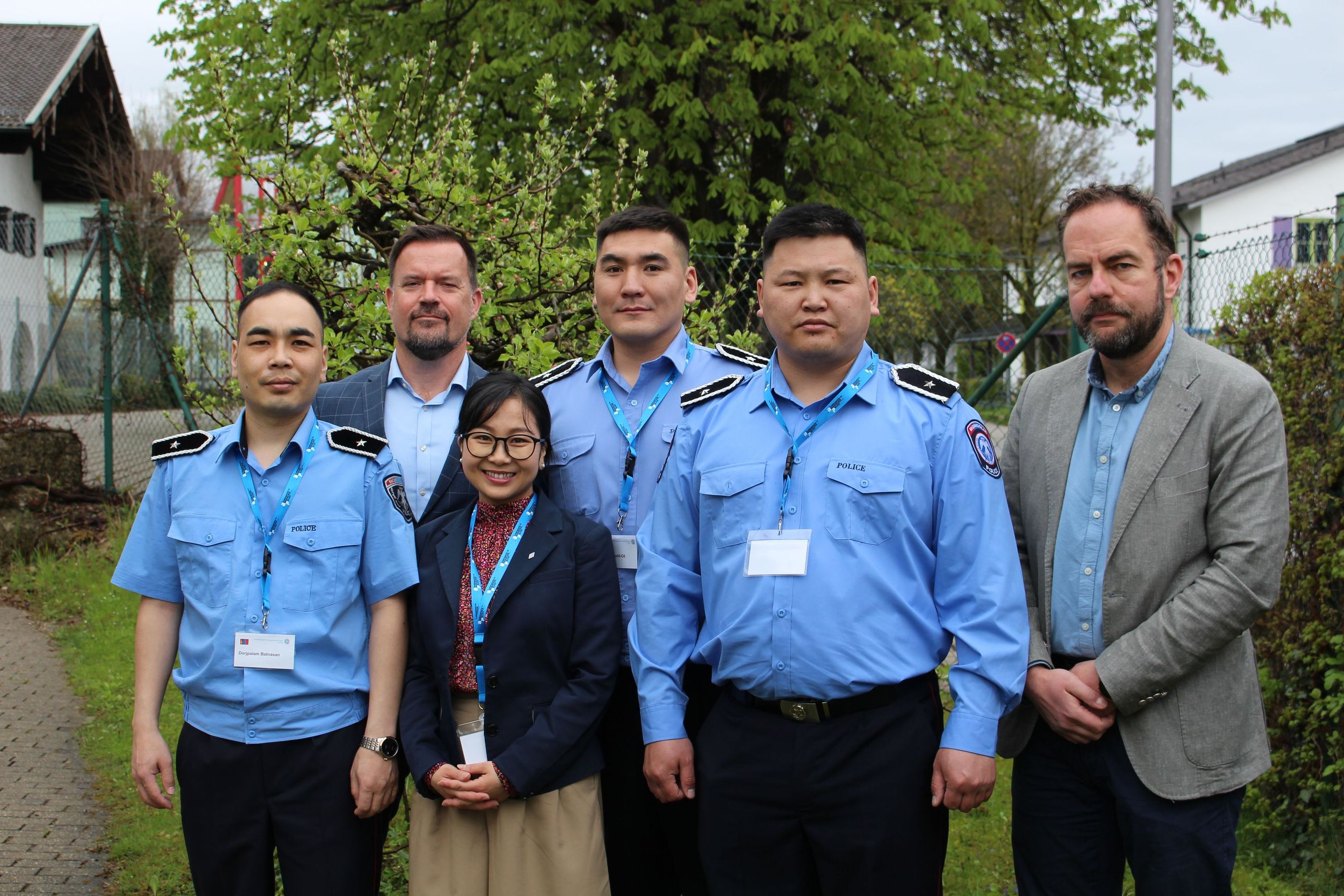
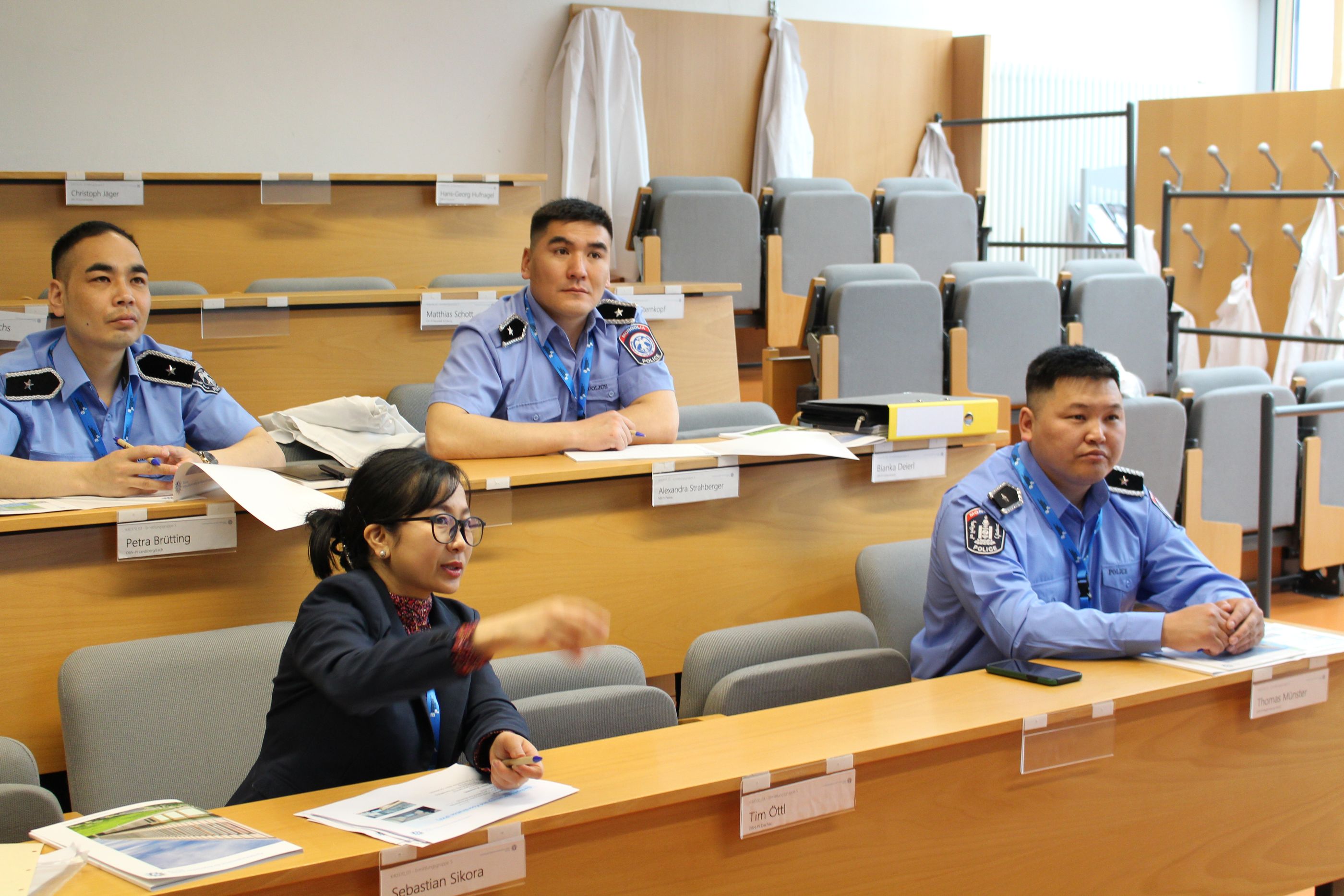
For this reason, three Mongolian forensic experts from the National Forensics Authority in the capital Ulaanbaatar visited the Bavarian Police Training Institute in Ainring (BPFI) and took part in the four-day training course on 'Detecting and securing evidence at the crime scene'.
Whether it's murder, theft or environmental crime, the principle is always the same: “There is no crime scene where people leave no traces. Either something is gone that was there before, or something is there that wasn't there before,” said First Chief Inspector of Criminal Investigation (EKHK) Dominik Müller.
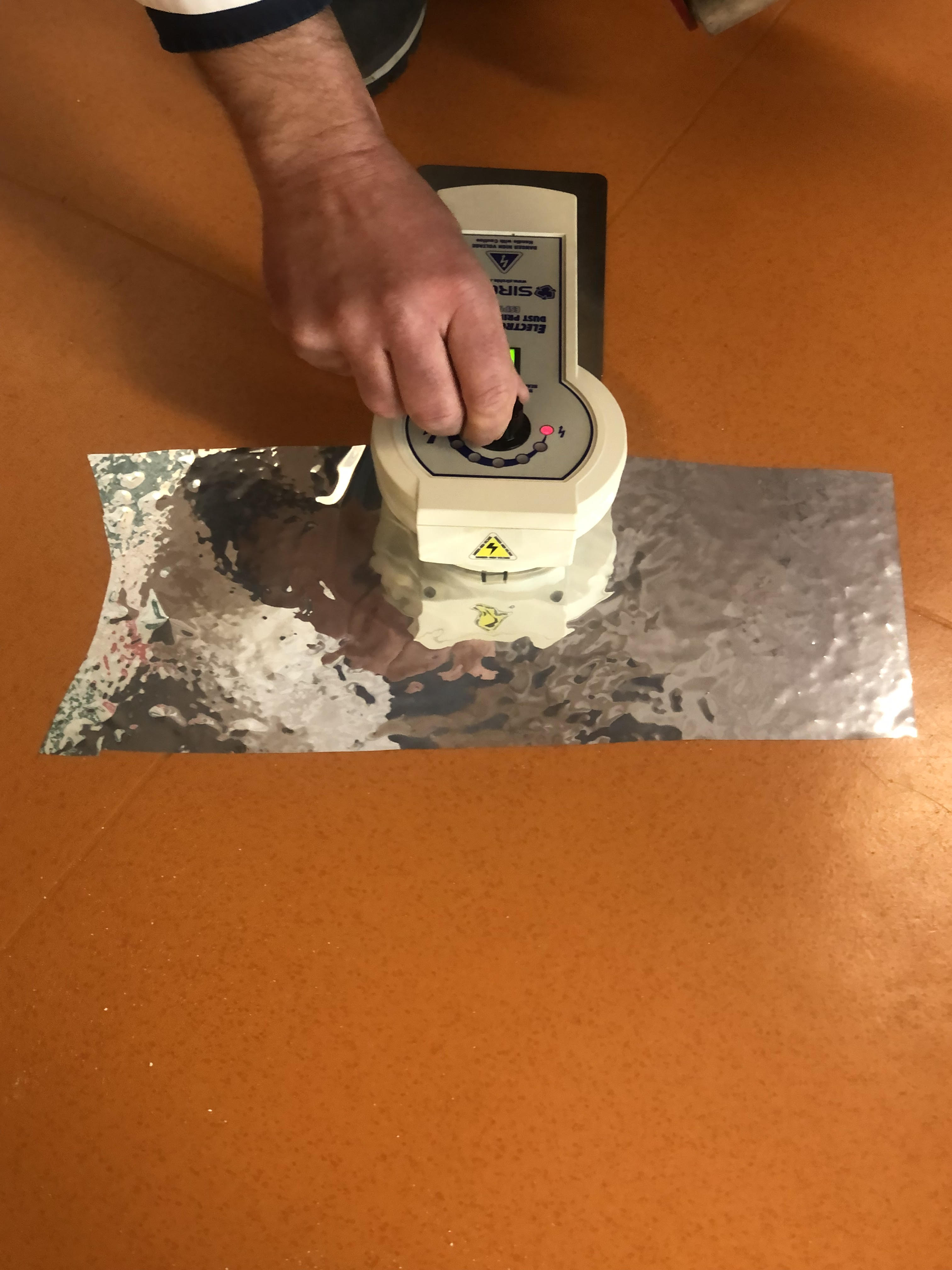
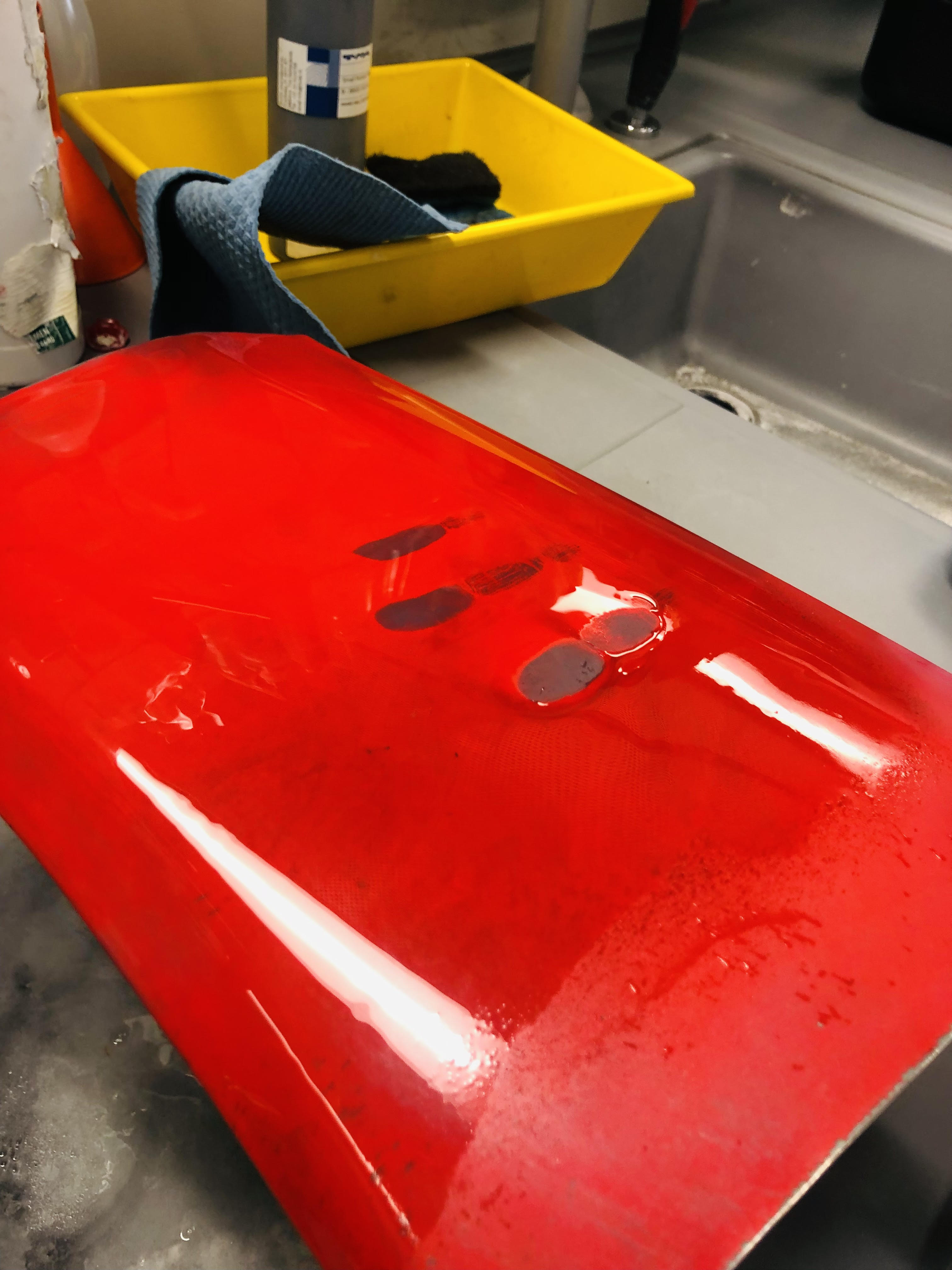
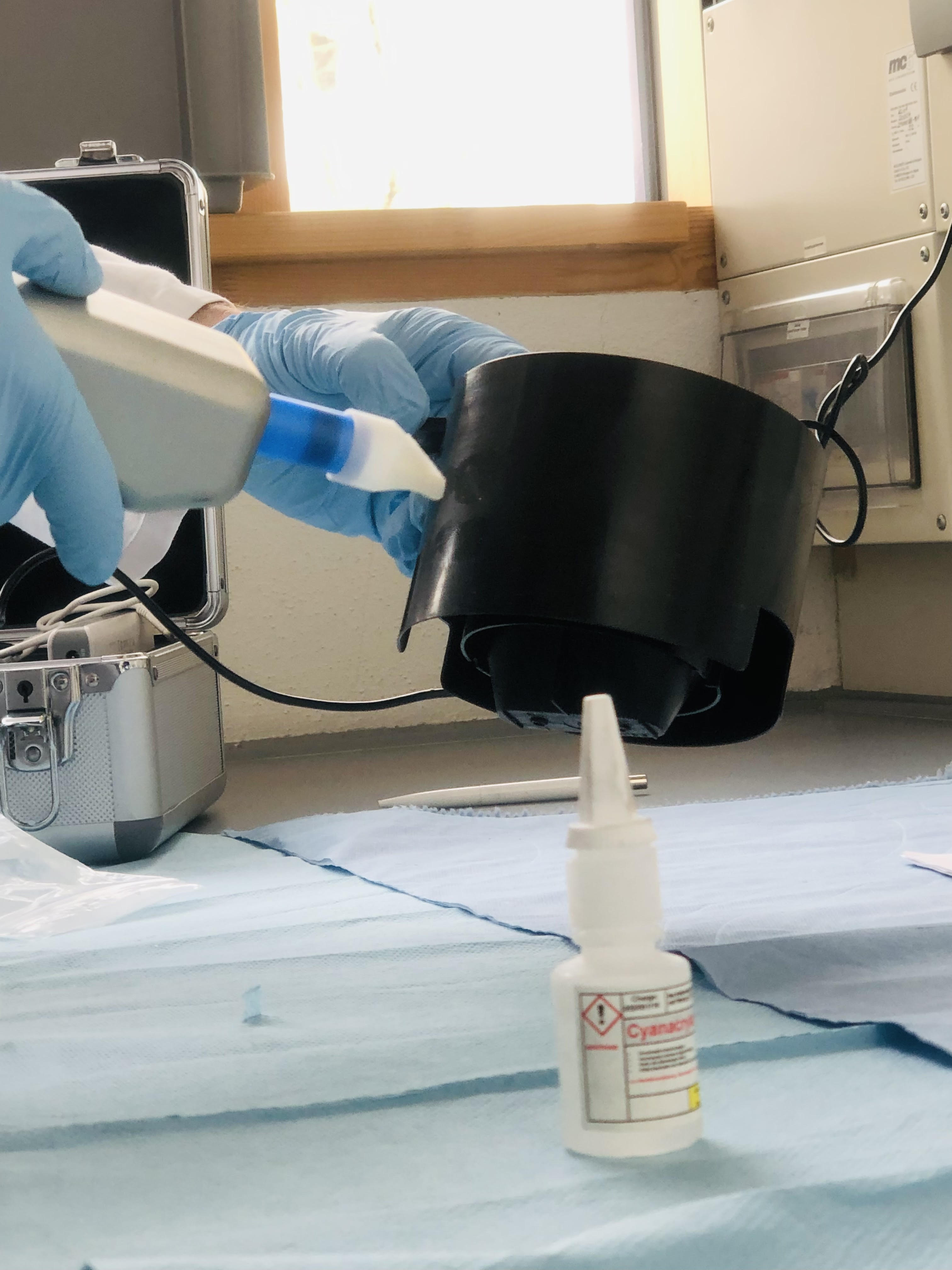
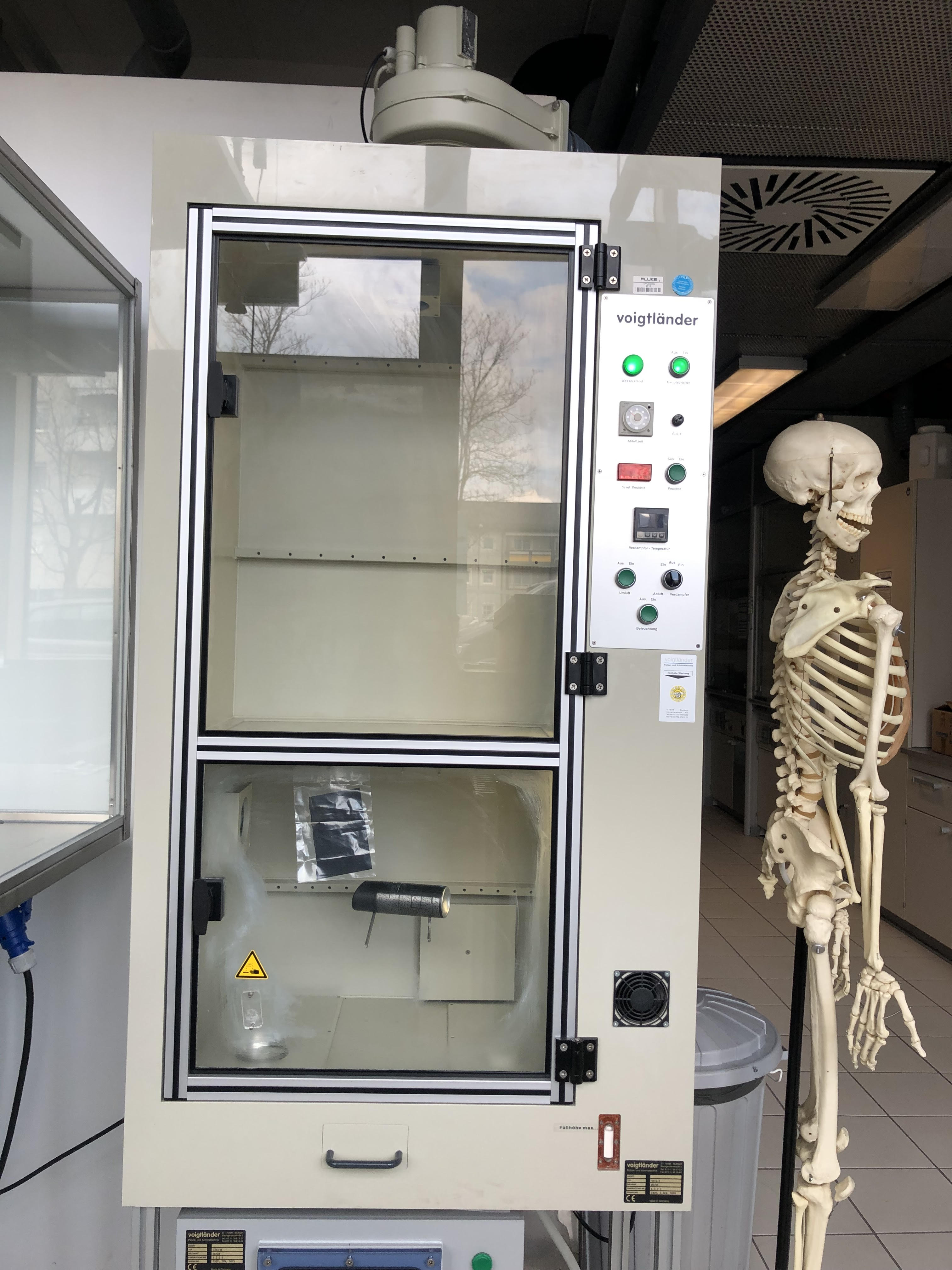
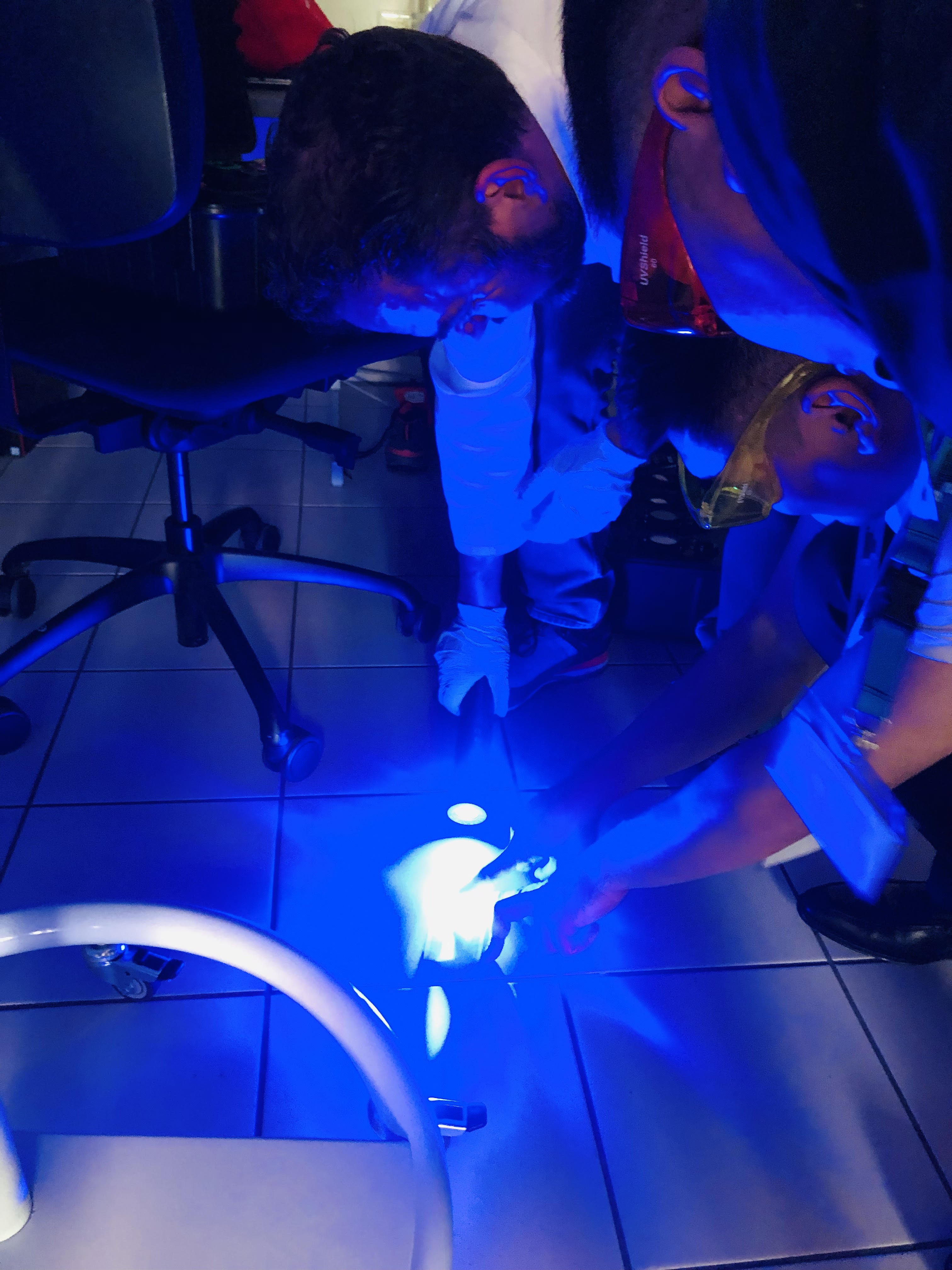
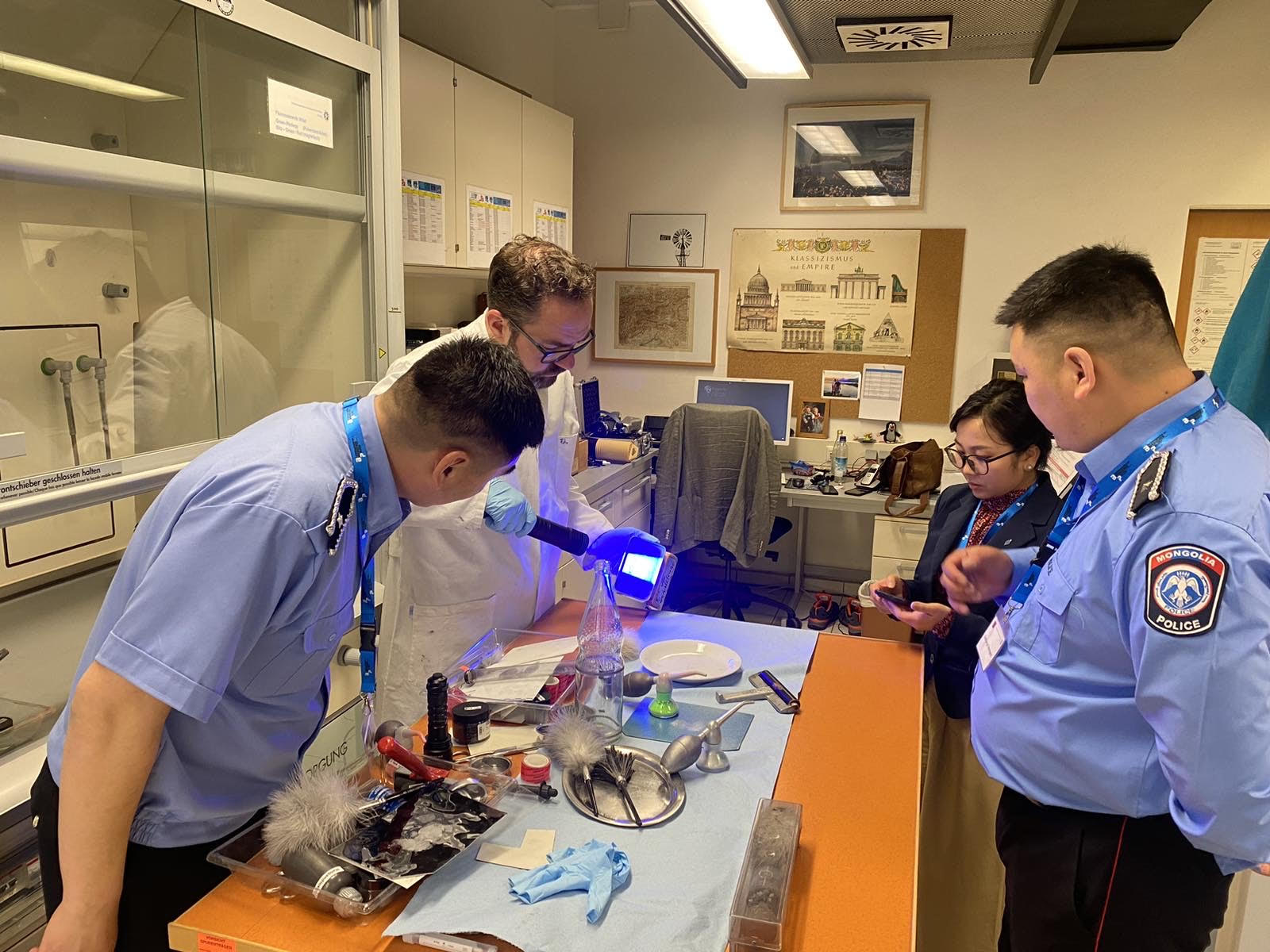
Mr. Müller taught the forensic scientists numerous methods for identifying and securing evidence using dactyloscopy, footprints and biological evidence such as blood, sperm and hair. The functions of the tools, machines and chemicals required for securing evidence were also discussed. During the training, the participants had the opportunity to view various crime scene reports by Mr. Müller.
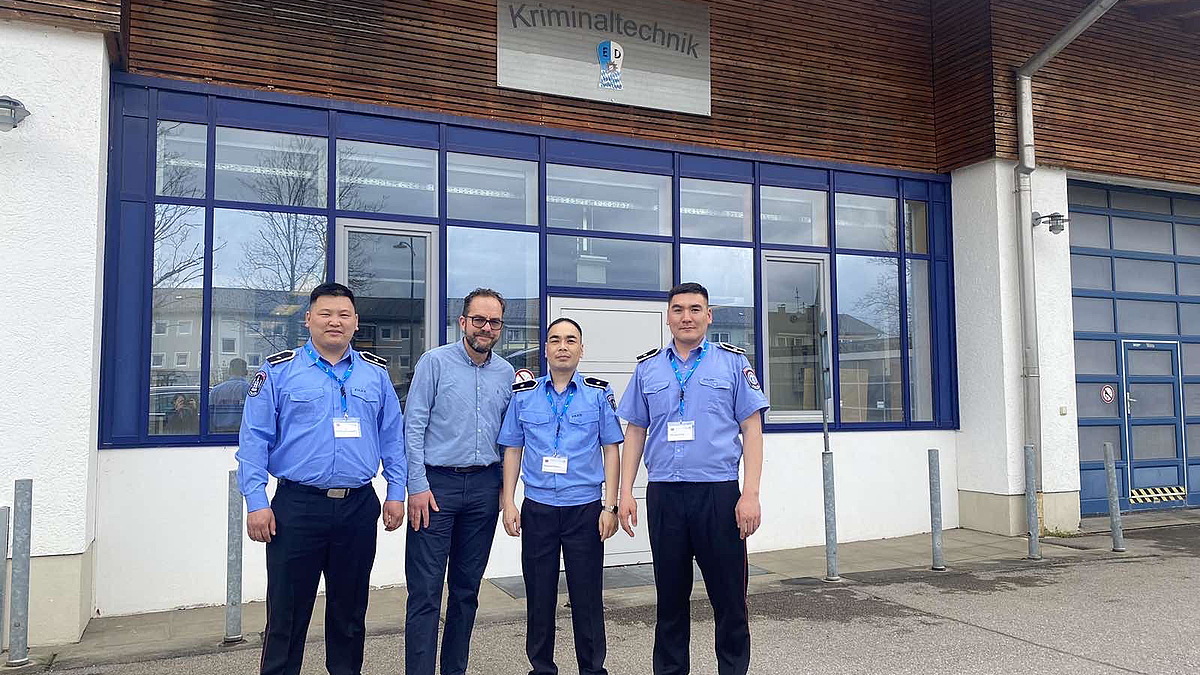
As the training went very well, the BPFI Ainring is prepared to support further training measures, expressed Dr. Buggisch, the director of the institute, during the final discussion with the participants.
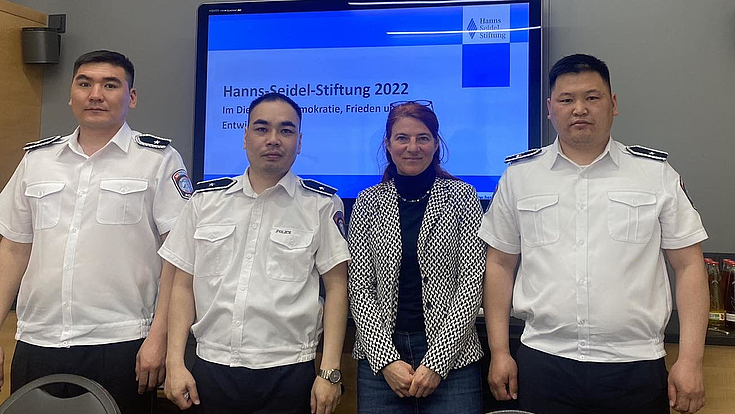
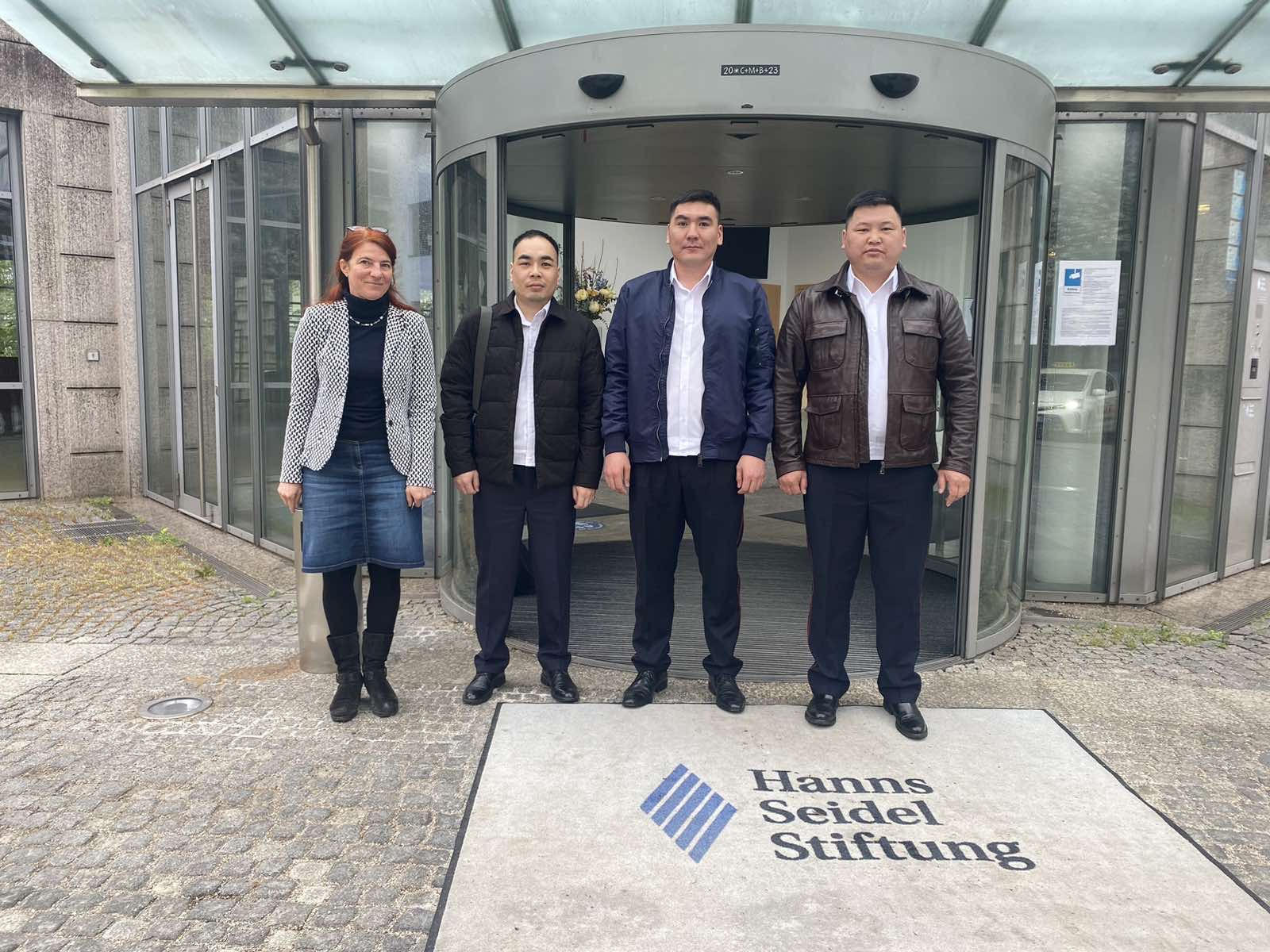
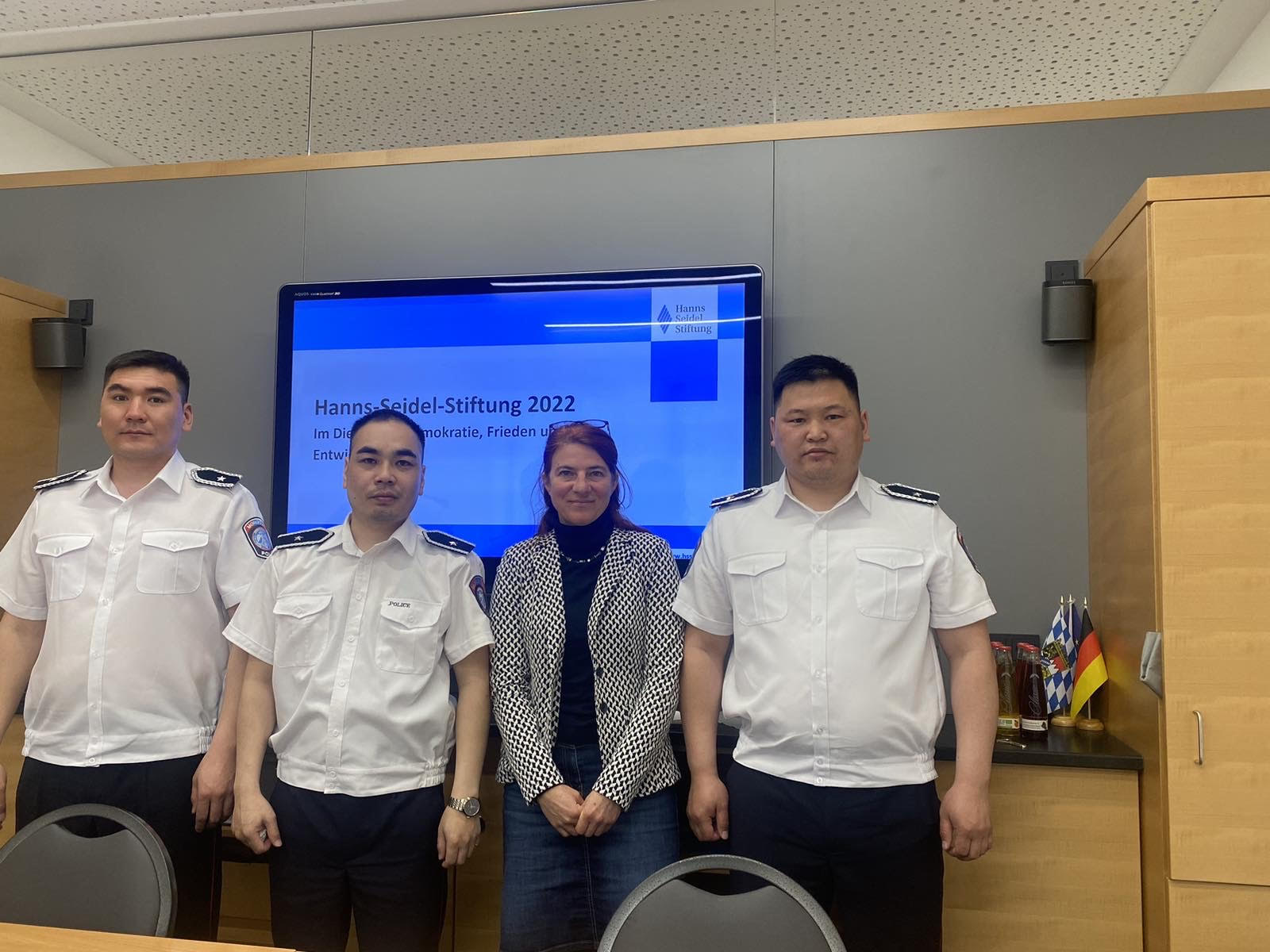
After the four-day training course, the forensic experts traveled to Munich to visit the HSS headquarters. Ms. Veronika Eichinger, Division V/6 Northeast and Central Asia Head of Division Institute for International Cooperation (IIZ), welcomed the delegation and exchanged information with the participants about the functions of the HSS and listened to feedback on the training in Ainring.
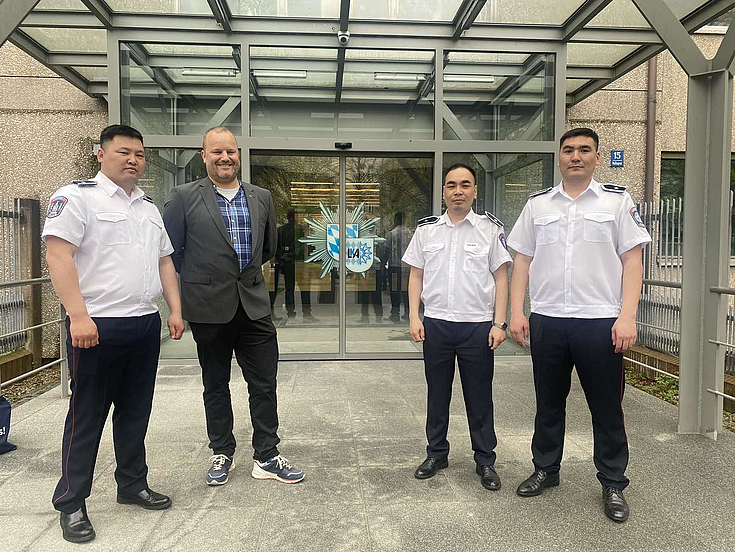
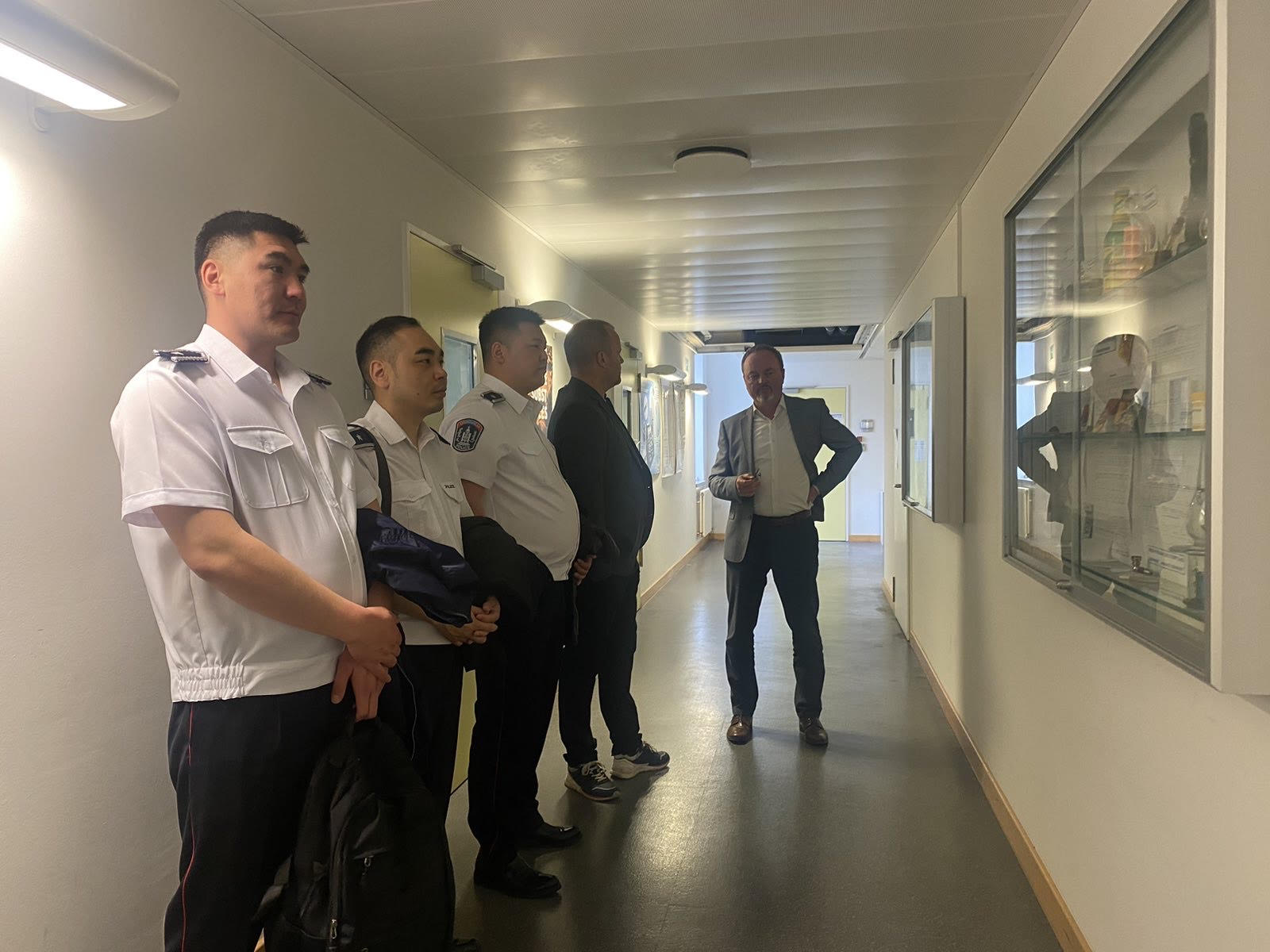
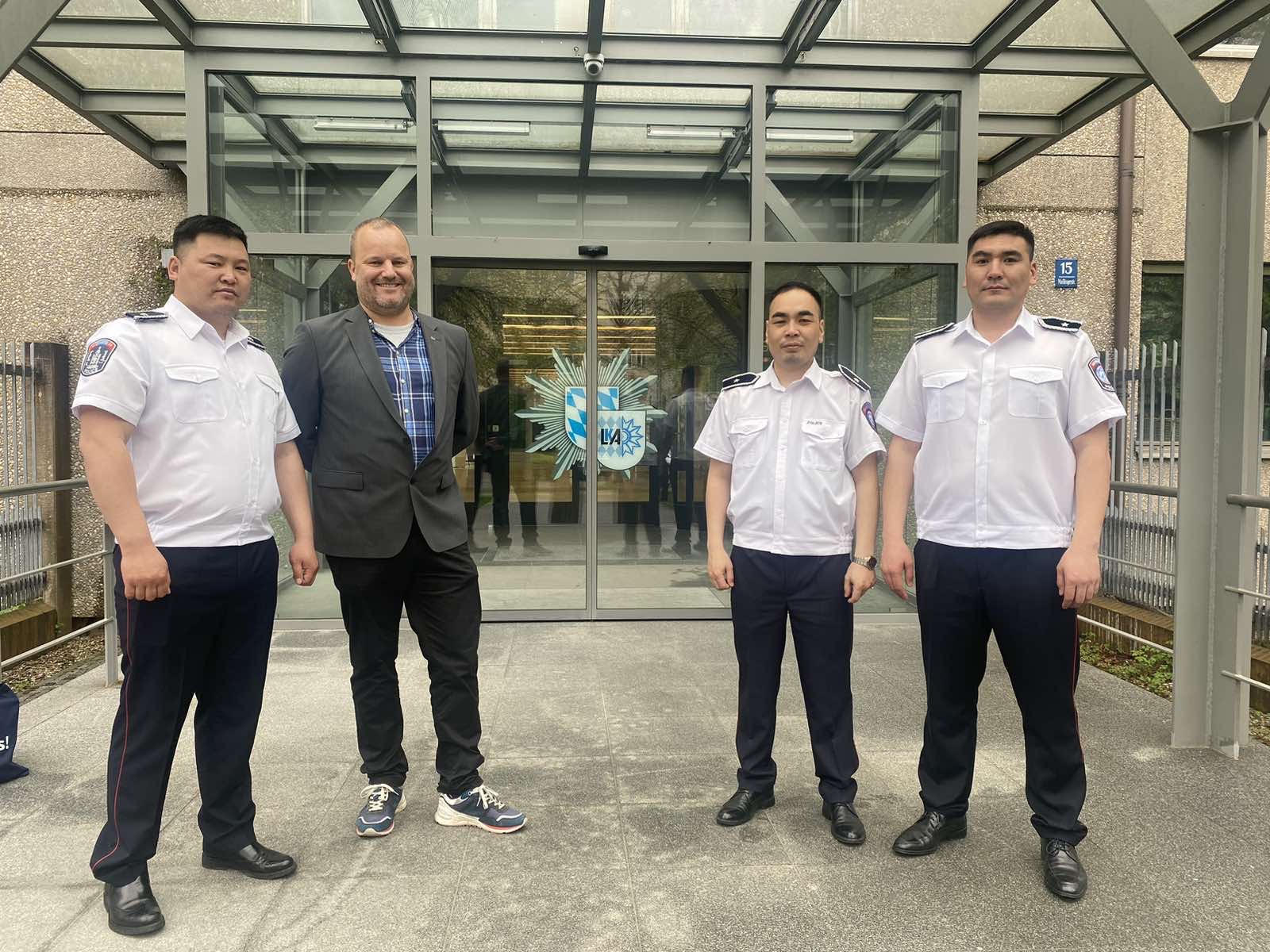
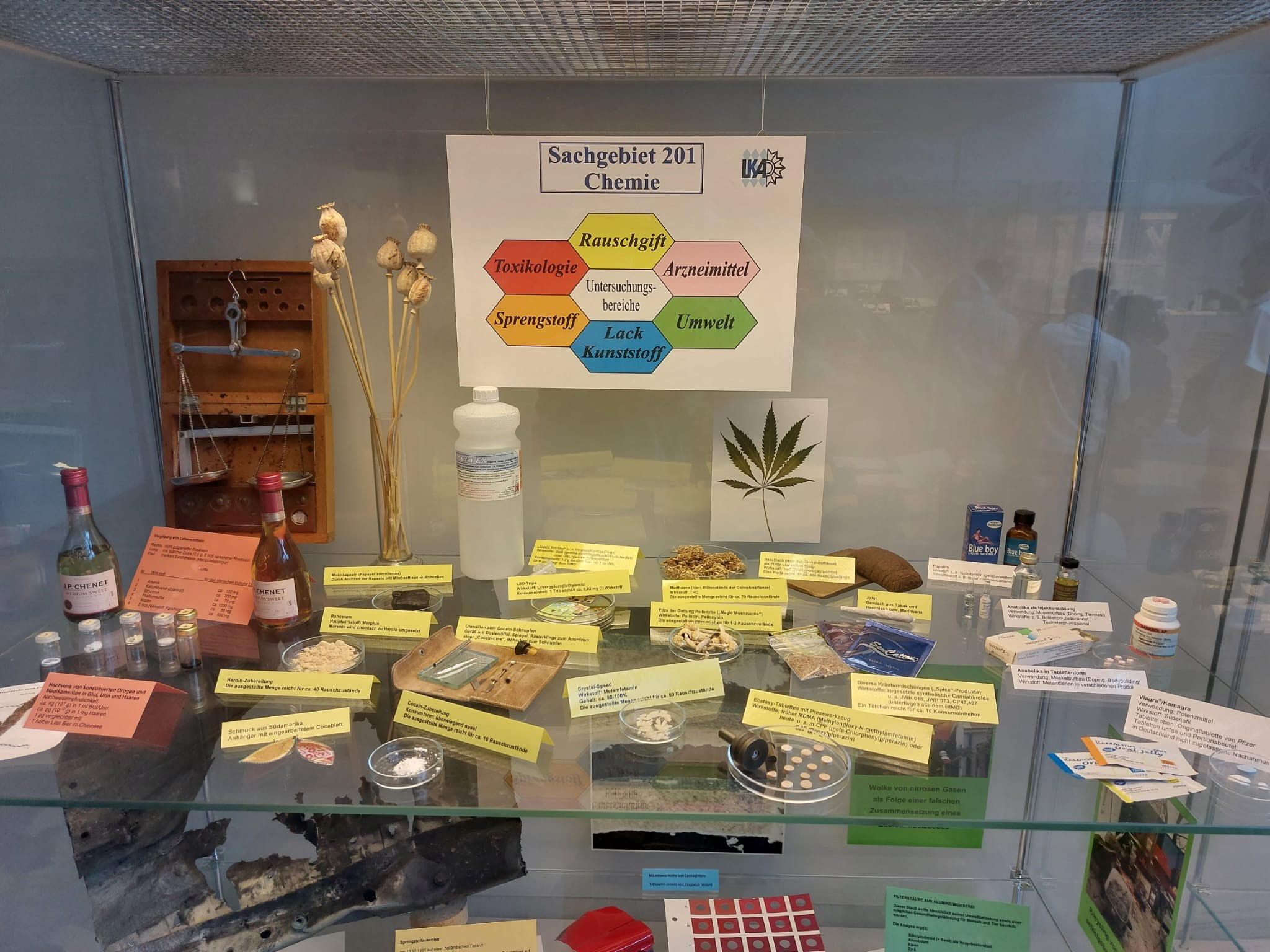
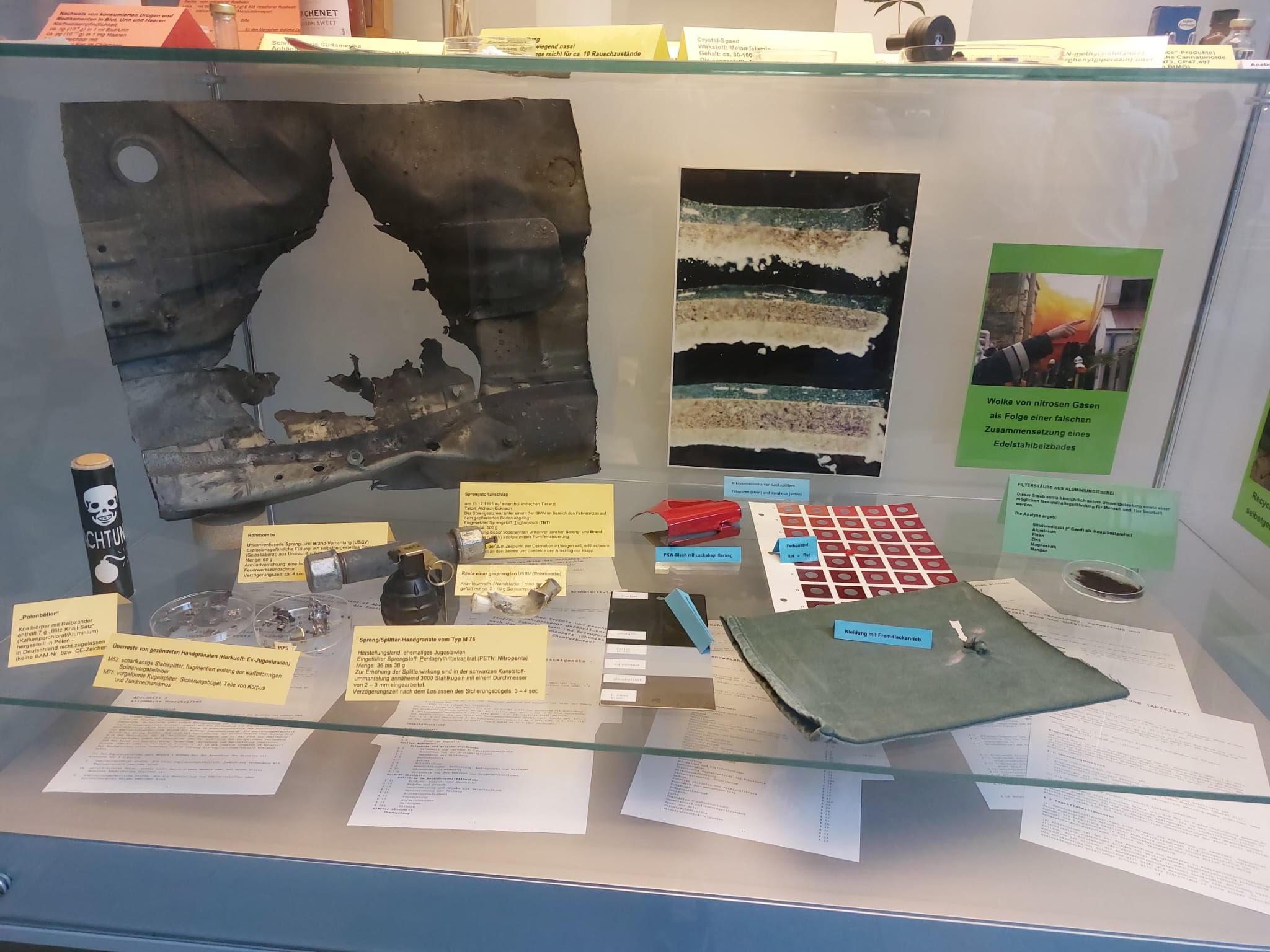
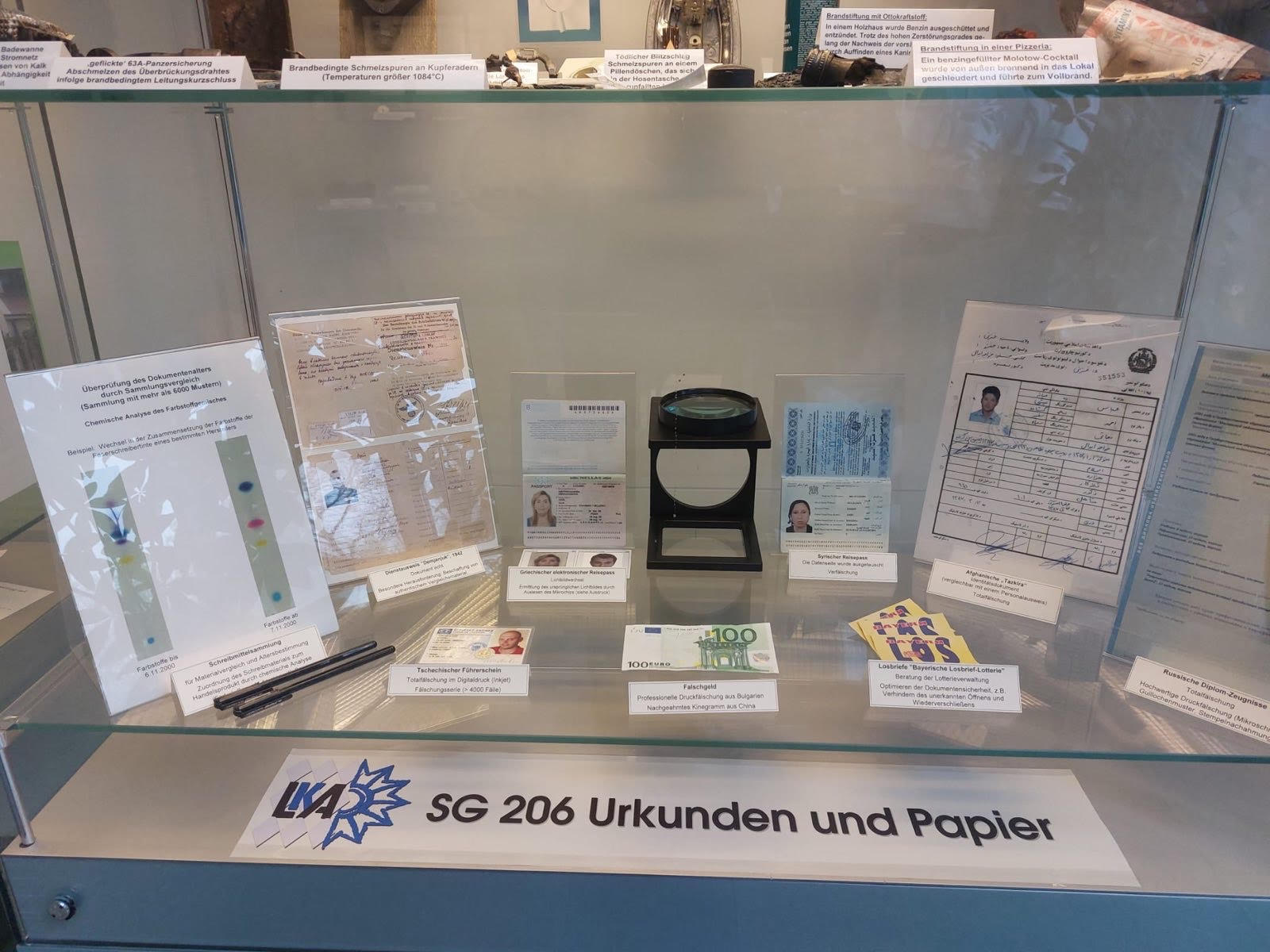
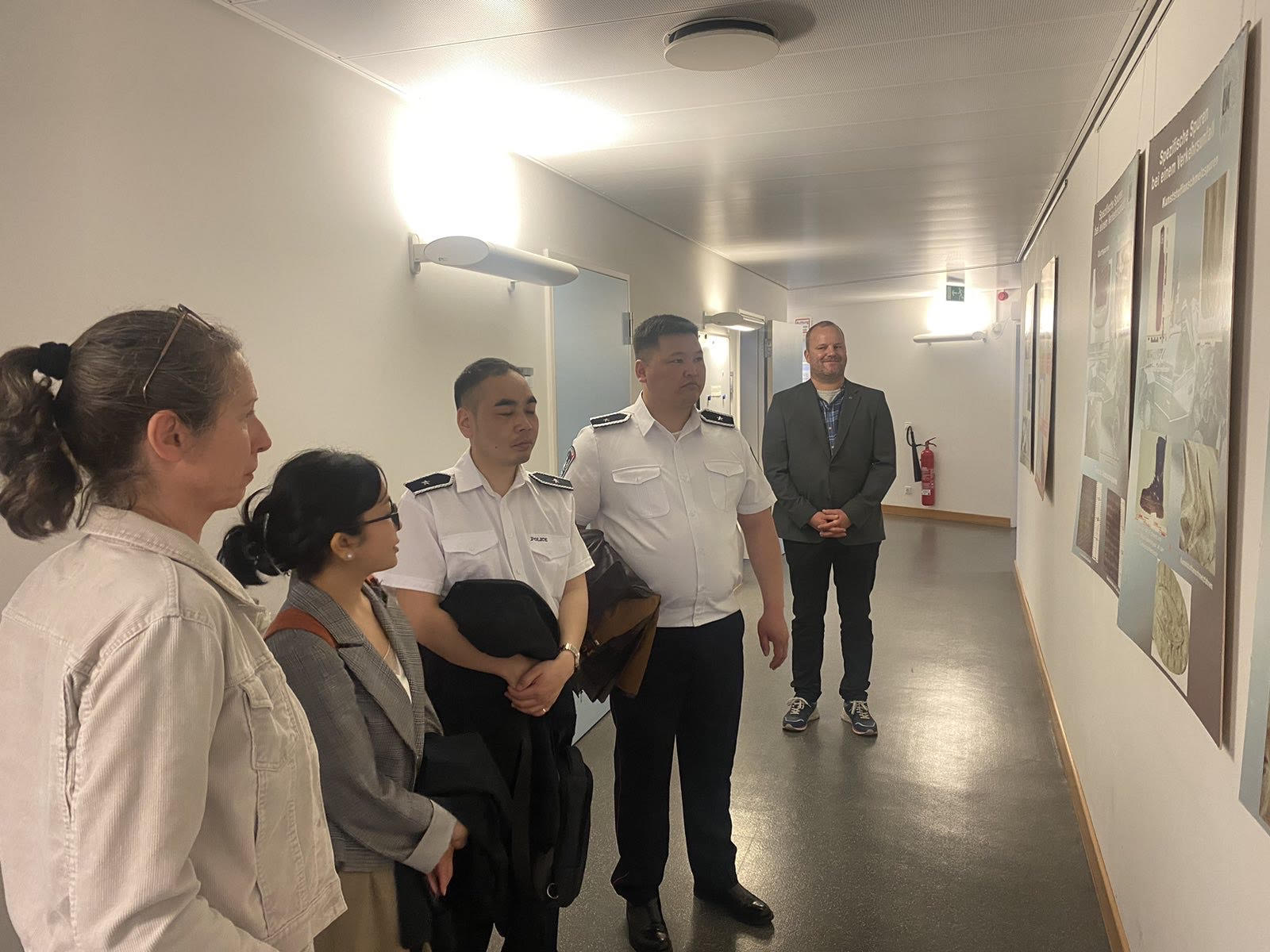
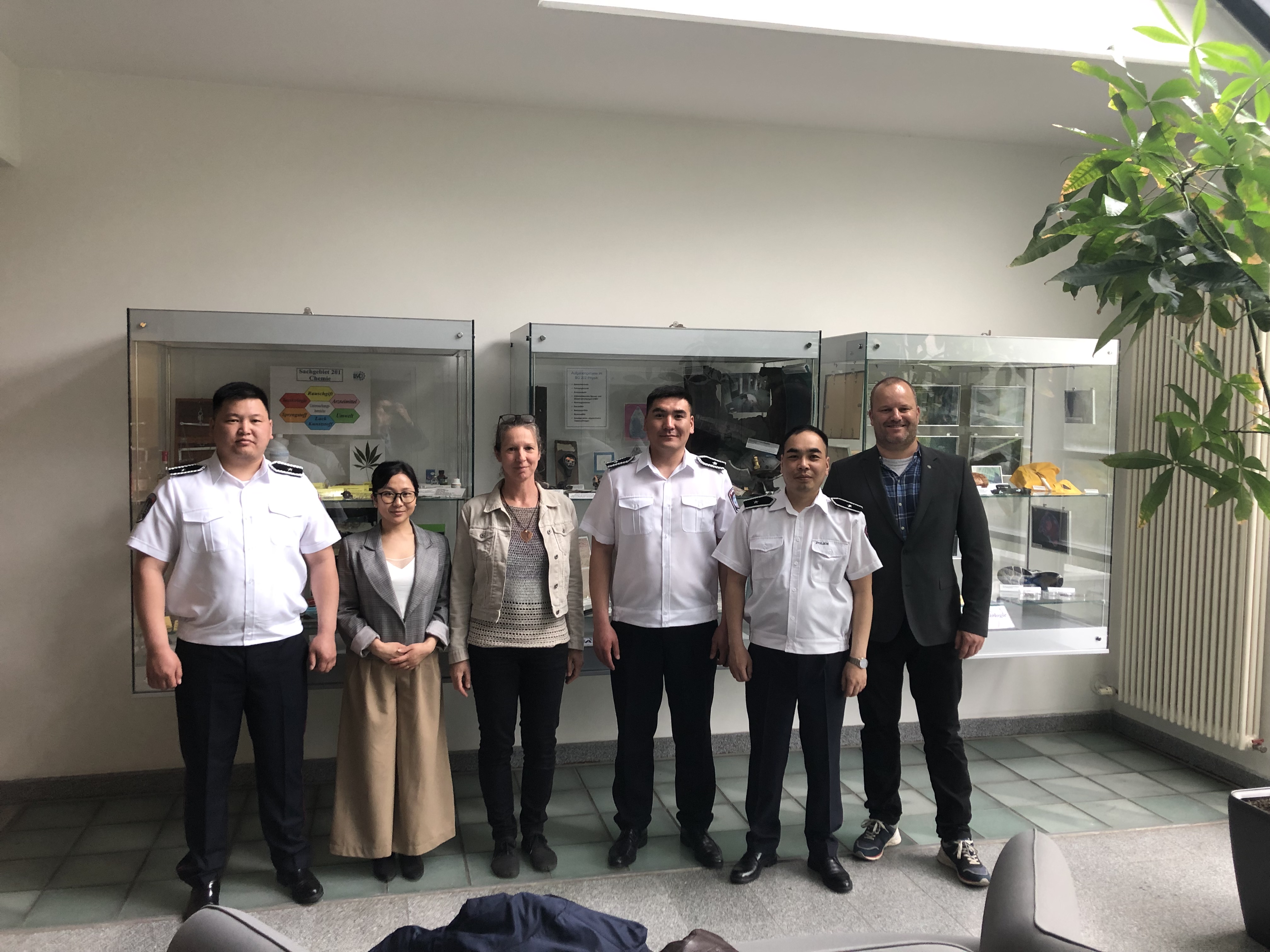
The participants then visited the Bavarian State Office of Criminal Investigation (BLKA). There they met with Mr. Herrler Bernhard, Head of the Central Office of the CTI, Mr. Thorsten Konrad, Chief Superintendent of Criminal Investigation in Department 121 - International Cooperation, Government Director (RD) Ms. Kerstin Gonda and Chemistry Director (CHD) Dr. Jürgen Bügler. There they had the opportunity to visit the chemistry and biology laboratories and discuss future cooperation. The BLKA is prepared to continue working together with Mongolian colleagues.
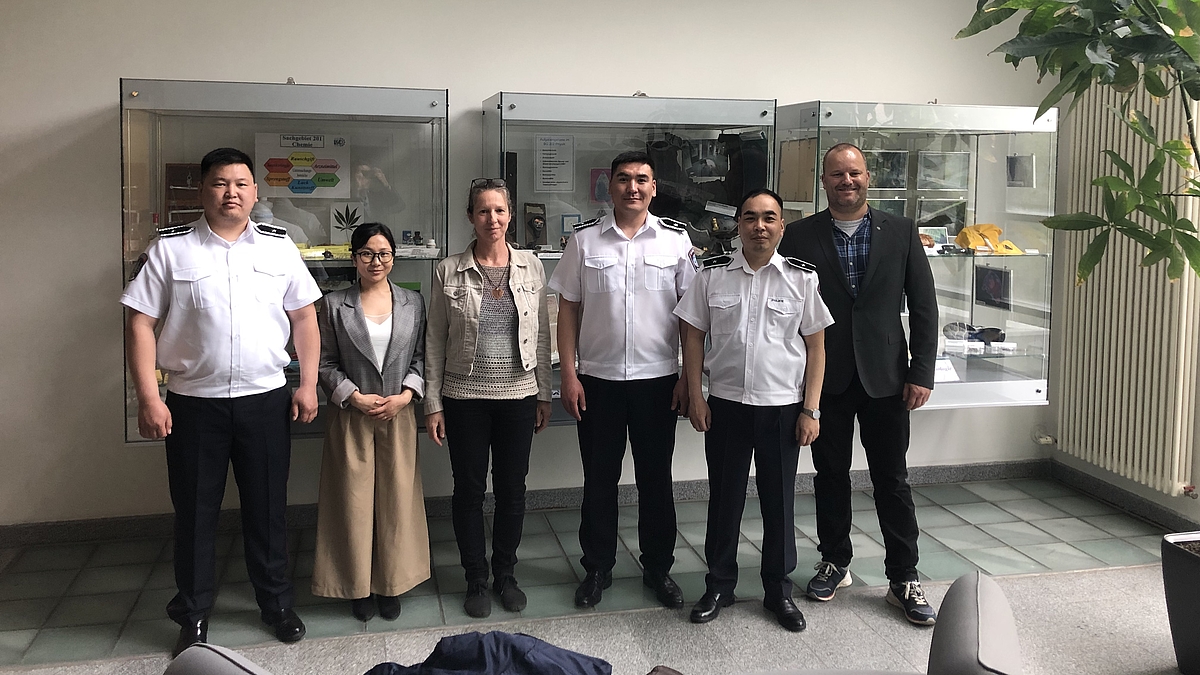
The forensic scientists learned numerous methods for recognizing and securing evidence and were able to achieve their goal of expanding cooperation with the above-mentioned German institutions.