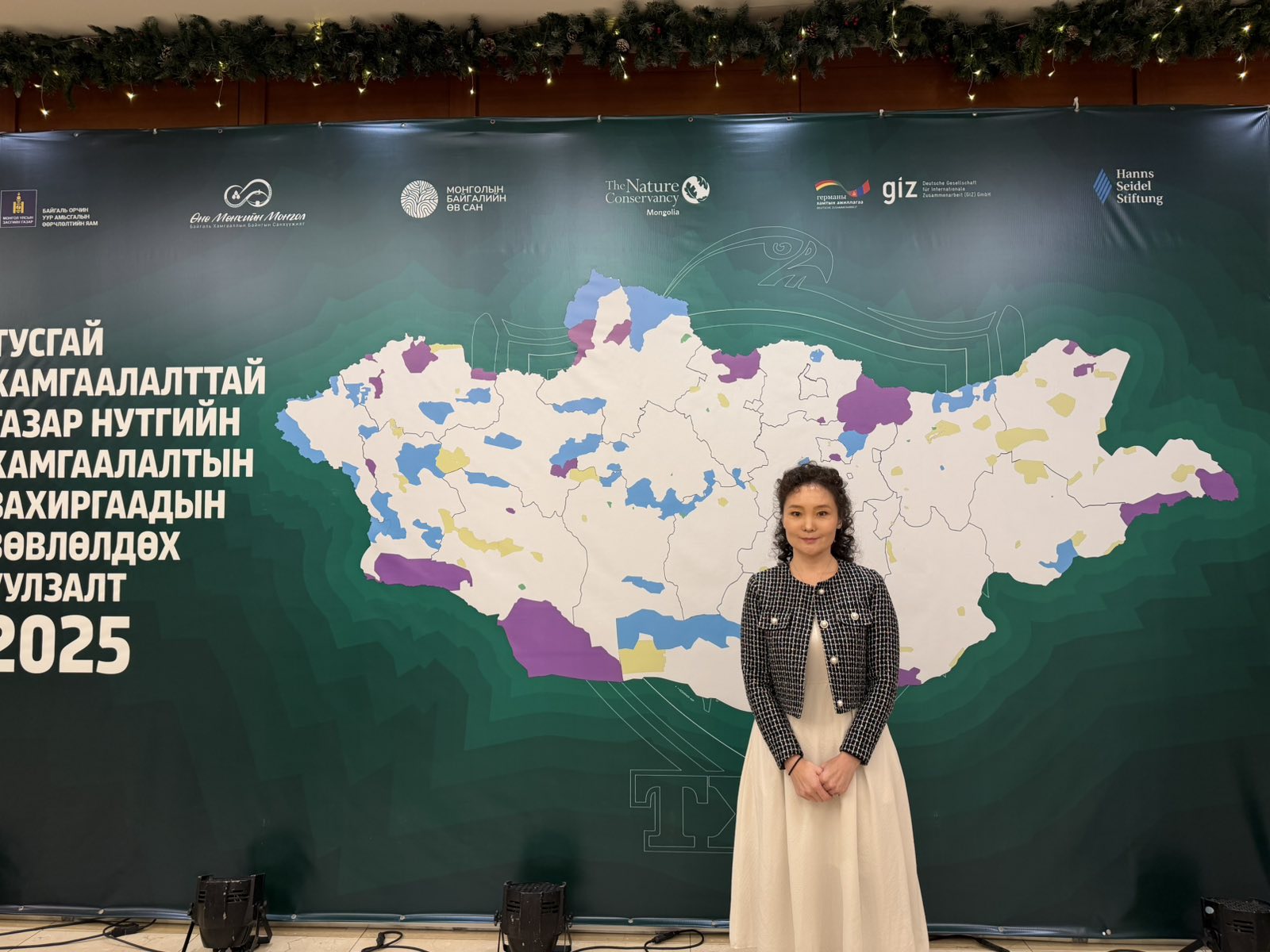
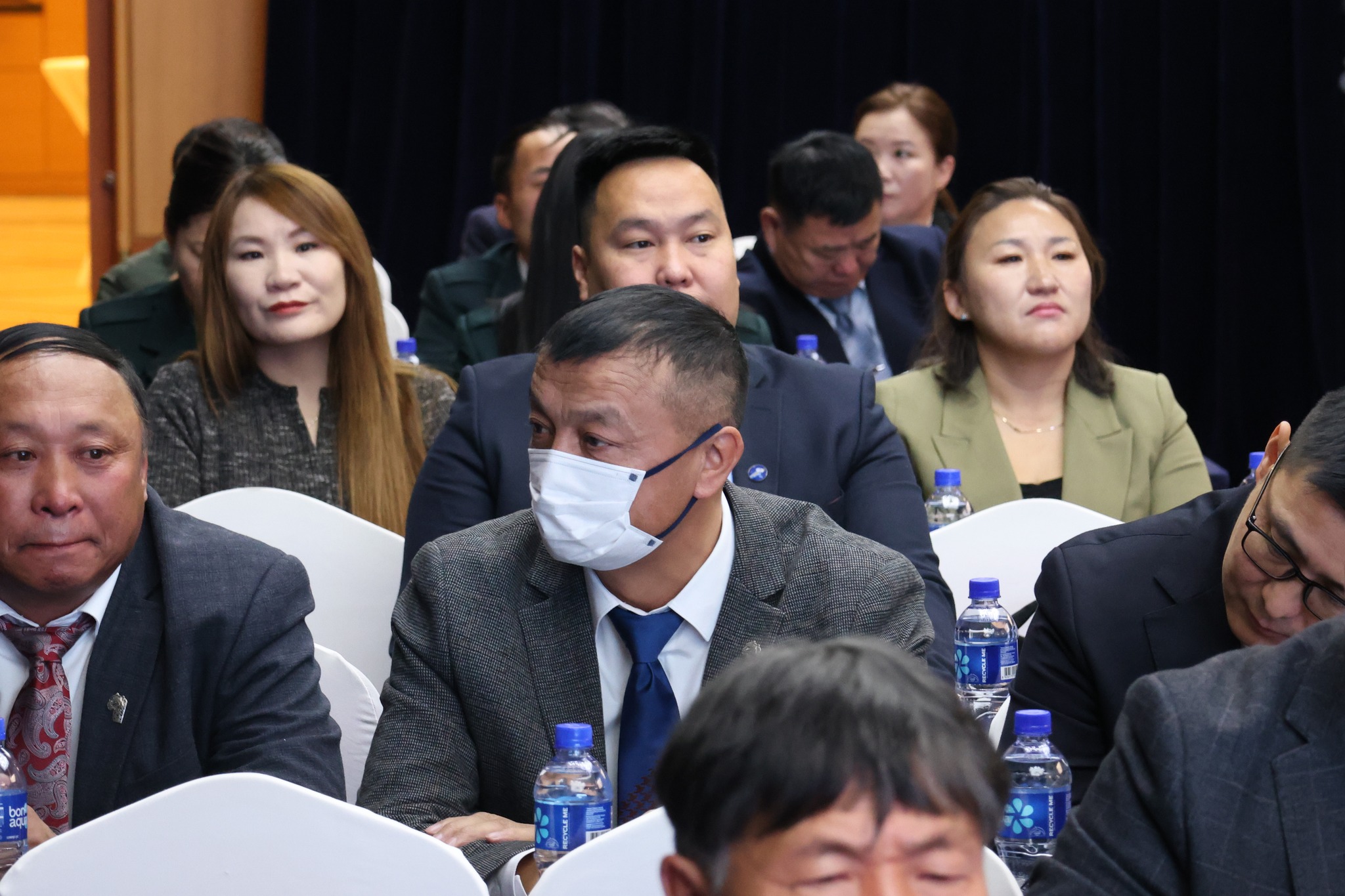
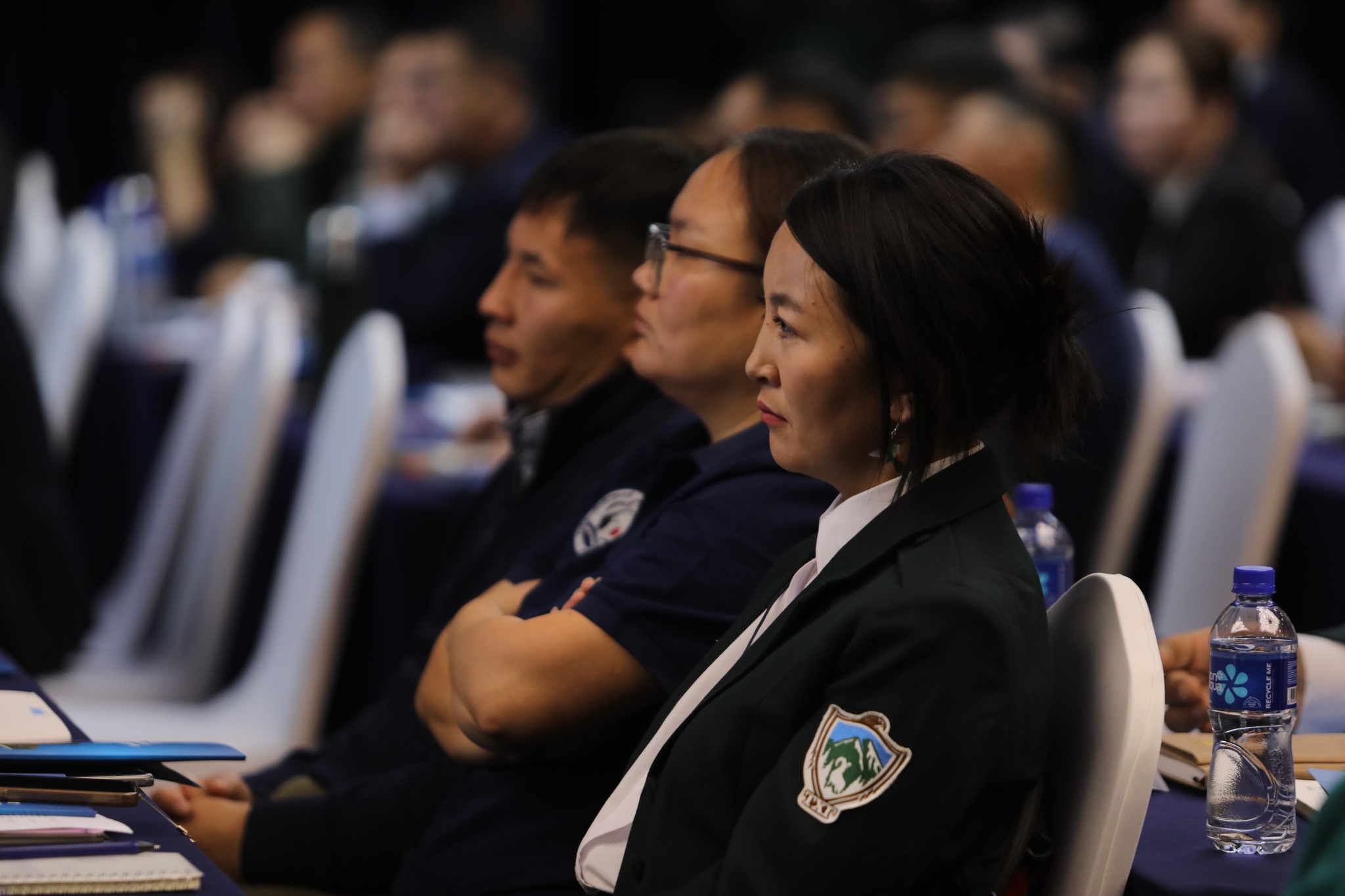
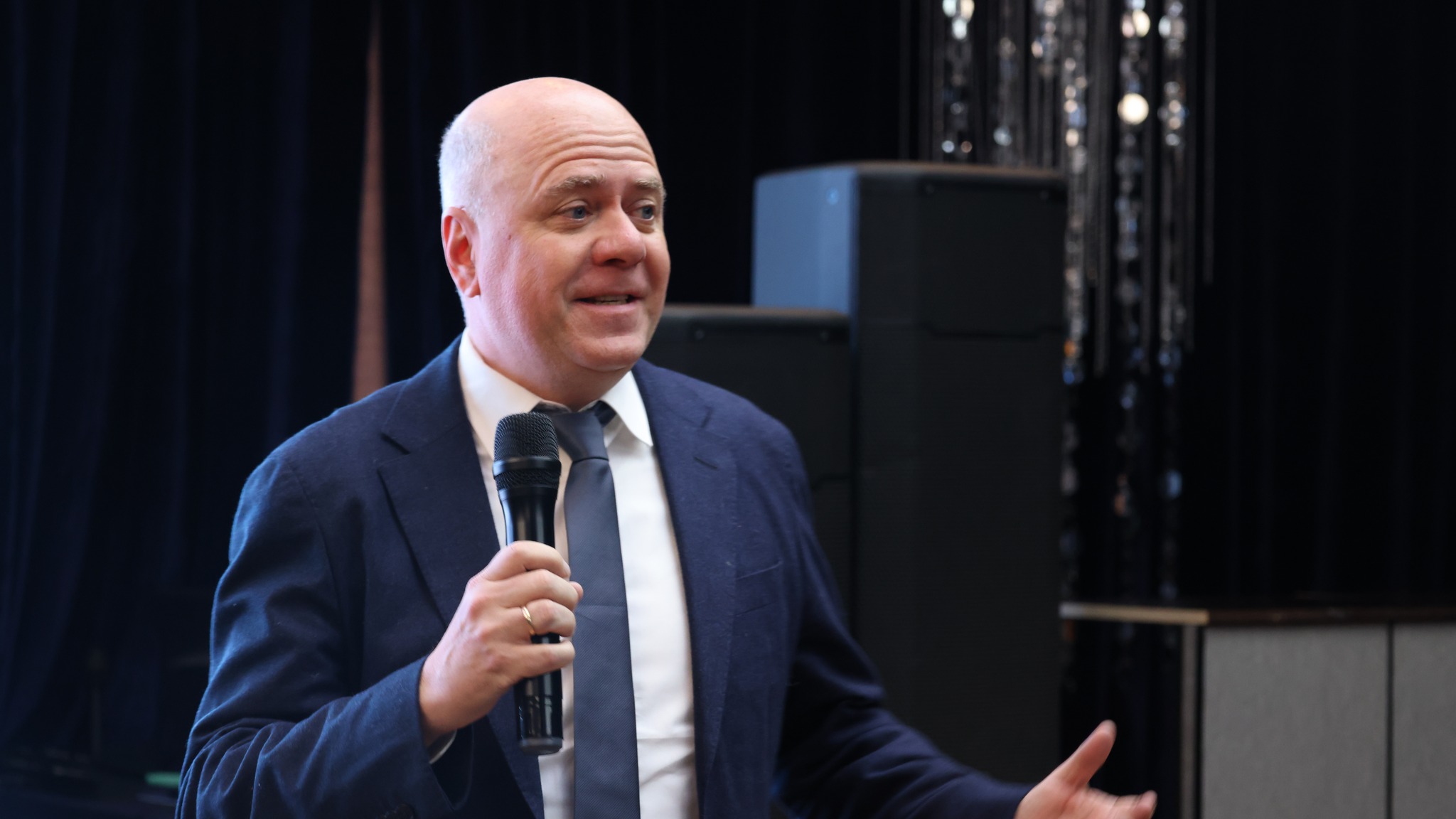
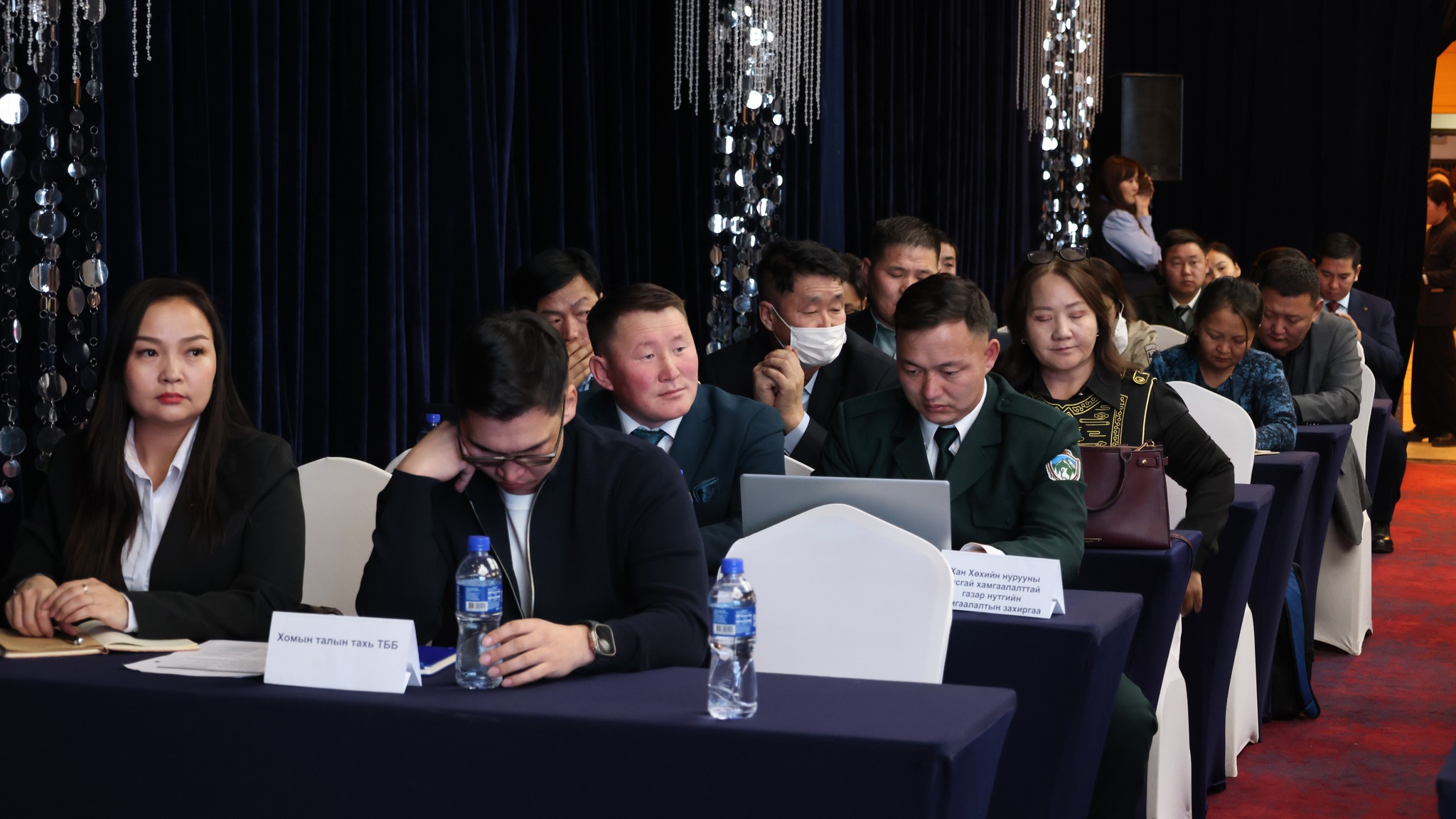
I. Objectives and Significance of the Conference
The purpose of the conference was to:
- Discuss updates to policies and the legal framework for protected areas,
- Harmonize planning for 2026 among protected area administrations,
- Identify opportunities for financing and self-funding mechanisms,
- Build capacity on methods for developing performance-based management plans.
These goals were emphasized in the conference’s opening session.
II. Opening Session and Support from International Partners
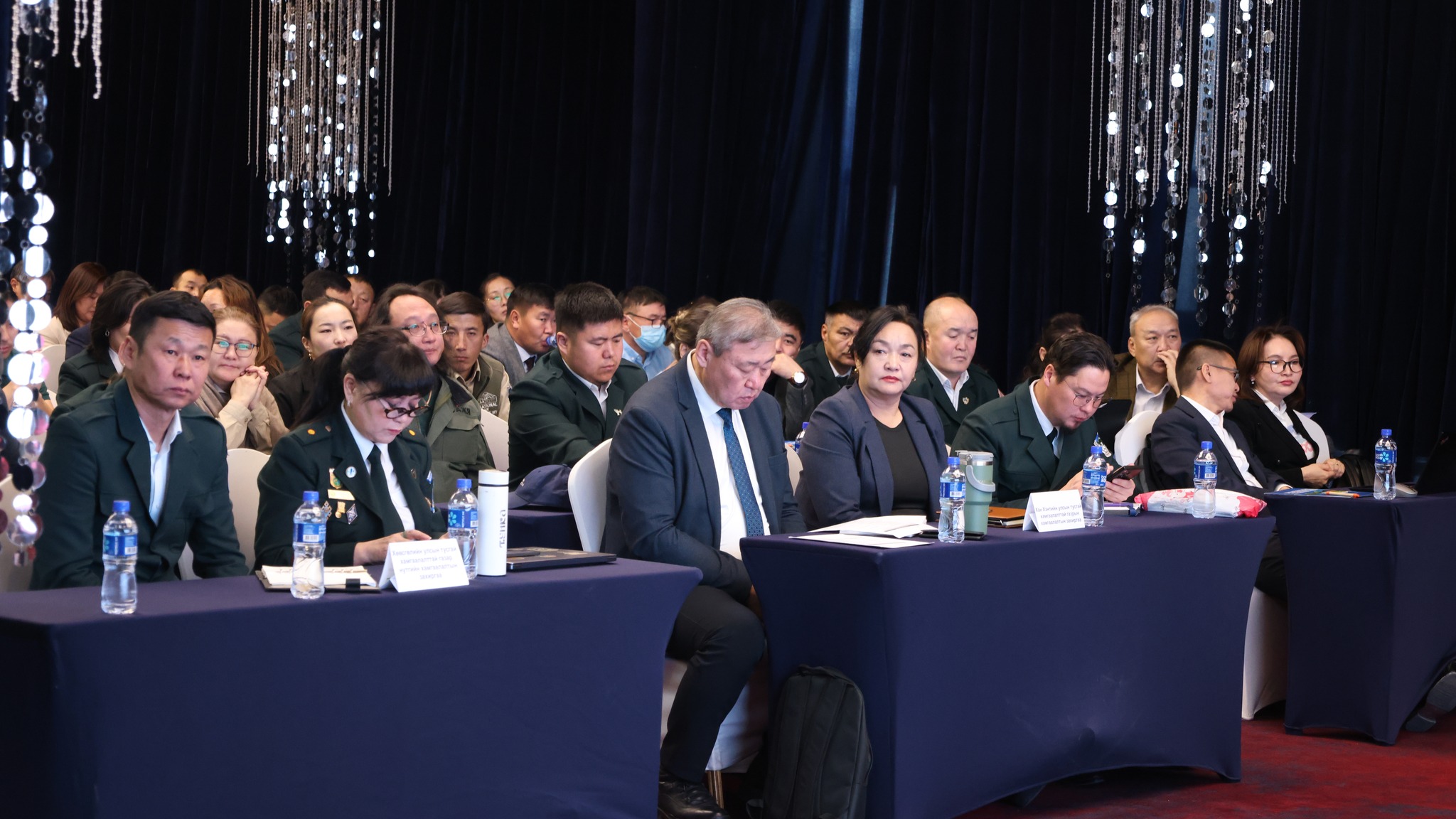
The event was opened by Ts. Uranchimeg, Director of the Protected Area Policy Department of the Ministry of Environment and Climate Change, who highlighted the importance of improving performance and reforming the management and regulatory framework of protected areas.
Christian Richter, Regional Director of the German Development Bank (KfW), emphasized Germany’s strong commitment to supporting rangers and conservation workers and expressed readiness to continue sustainable investments in protected area management.
III. Highlights of the Three-Day Conference
Day 1 (03 December): Financial Management and Revenue Generation
The first day focused on the financial and business management of protected areas, featuring the following presentations and sessions:
- Business principles for sustainable protected area management – G. Gansukh, Project Consultant,
- Current state of protected area financing – S. Amartuvshin, Coordinator of the “Eternal Mongolia” Program,
- Revenue generation and ecotourism services – Presentations from the directors of Khentii National Park and Khustai National Park.
Participants also worked in groups to develop medium-term revenue plans for their respective protected areas one of the most practical outcomes of the day.
Day 2 (04 December): Policy, Cooperation, and Sectoral Challenges
The day began with an award ceremony for the Great Gobi Strictly Protected Area and the premiere of the documentary “Guardians of the Great Gobi.”
Key sessions included:
- Protected area policy and future directions – Ts. Uranchimeg,
- Regional tourism development – Ministry of Culture and Tourism,
- Panel discussion: Policy alignment, inter-agency coordination, and cross-sector collaboration.
In the afternoon, participants heard:
- A series of presentations on challenges within different categories of protected areas (national parks, nature reserves, nature monuments, landscapes, etc.),
- Results of ongoing projects aimed at improving management,
- Discussions led by technical experts from various projects.
Day 3 (05 December): Legal Framework, Evidence-Based Decision Making, and Research Findings
The final day featured several key policy and research presentations:
- Draft revision of the Law on Protected Areas – R. Lkhagvabayar,
- Baseline studies and preliminary findings of management plans – J. Ochirhuyag,
- Protected area financing study results – S. Amartuvshin,
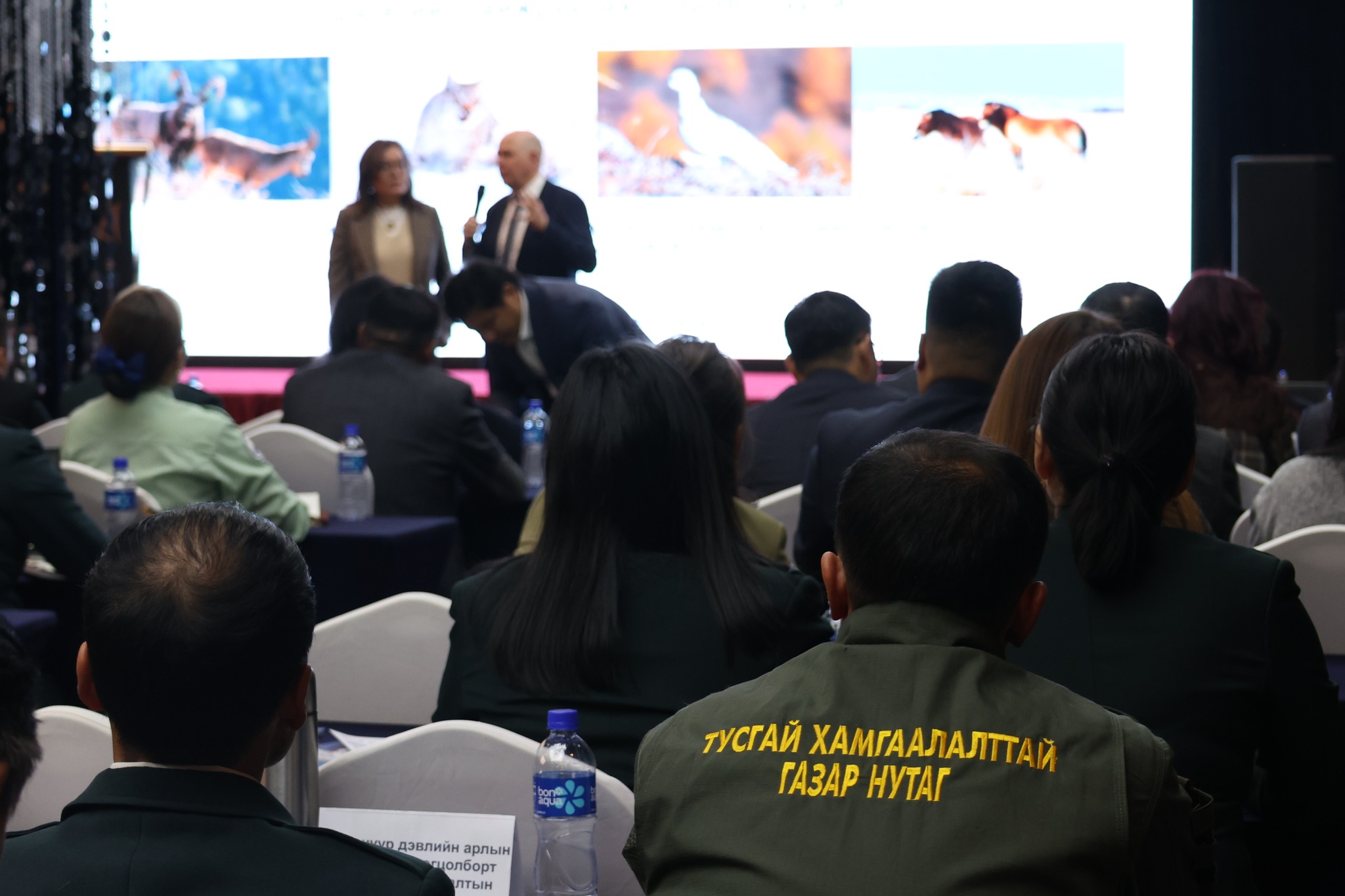
- Importance of evidence-based decision making – Torsten Harder.
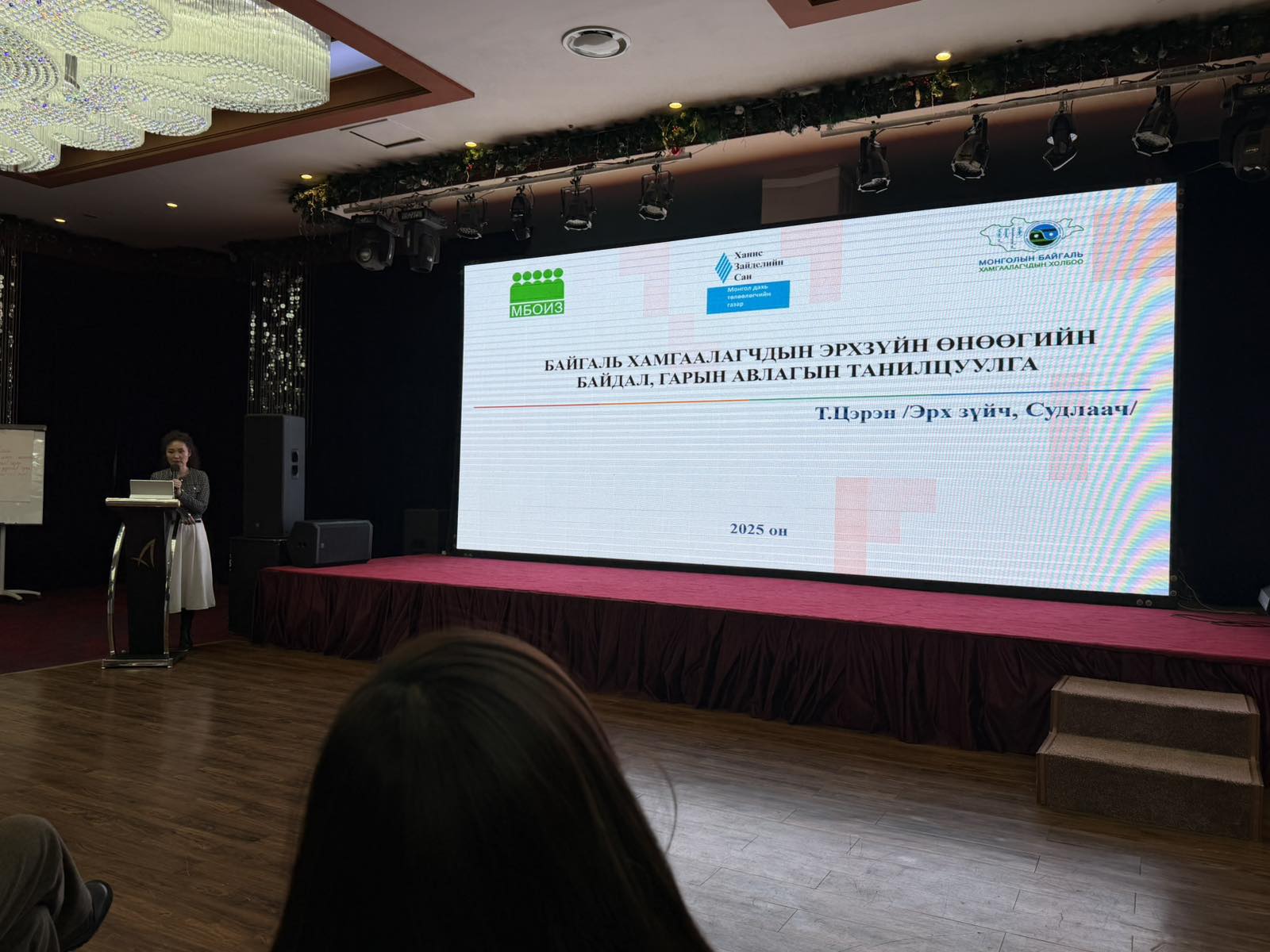
Former Hanns Seidel Foundation scholarship recipient Tseren Tuvshinjargal presented her research on improving the legal environment for rangers and introduced a draft legal handbook designed to support rangers—one of the first comprehensive and practical resources of its kind.
IV. Key Outcomes of the Conference
At the conclusion of the conference, the following outcomes were consolidated:
- Recommendations for inclusion in the roadmap to improve protected area management,
- Policy proposals for reforming the legal framework of protected areas,
- Guidance for the unified 2026 planning of protected area administrations,
- Recommendations to improve the financing system,
- Proposals to strengthen the legal protection of rangers.
Director Ts. Uranchimeg delivered the closing remarks, officially concluding the conference.
V. Co-Organizers
- Ministry of Environment and Climate Change
- Hanns Seidel Foundation
- Mongolian Nature Legacy Foundation (MNLGF)
- BACCP Project of Germany’s KfW Bank
- Deutsche Gesellschaft für Internationale Zusammenarbeit (GIZ)
- The Nature Conservancy Mongolia